Diving Anilao: A Weekend in Mabini, Batangas
A focused water weekend on the Mabini peninsula, where the macro life sits in shallow water and the diving is the whole point.
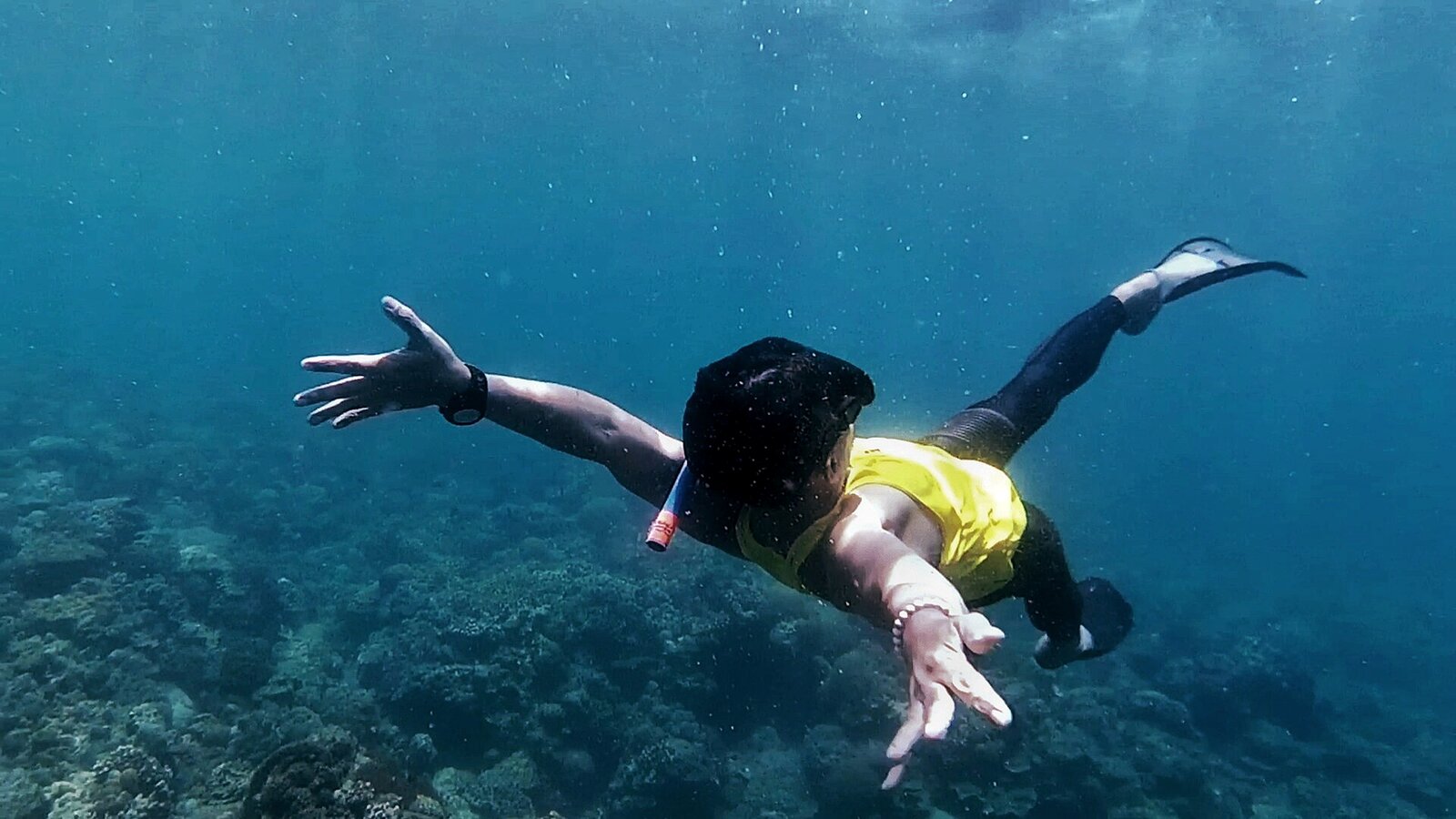
The first thing to know about Anilao is that it does not look like much from the surface. There is no long white beach, no string of bars, no reason to post a sunset and call it a trip. The whole show is underwater, and it is one of the best shows in the country. This is a diving weekend. If you want a beach party, go somewhere else. If you want to spend two days putting your face in the water and finding creatures most people never see, this is the place.
Anilao sits on the Mabini peninsula in Batangas, on the coast that faces Maricaban Strait. It is close enough to Manila that you can leave on a Saturday morning and be in the water by lunch, and it is serious enough that underwater photographers fly in from other countries to shoot here. That combination is rare. Most world class dive sites ask for a long flight and a boat that leaves at dawn. Anilao asks for a drive.
Why Anilao, and why it is different
Anilao is famous for muck diving. Muck diving means searching slow and close over sand, rubble and silt for small, strange animals rather than cruising past big reefs. It is the patient, nerdy end of the sport, and Anilao is one of the top muck diving destinations in the world.
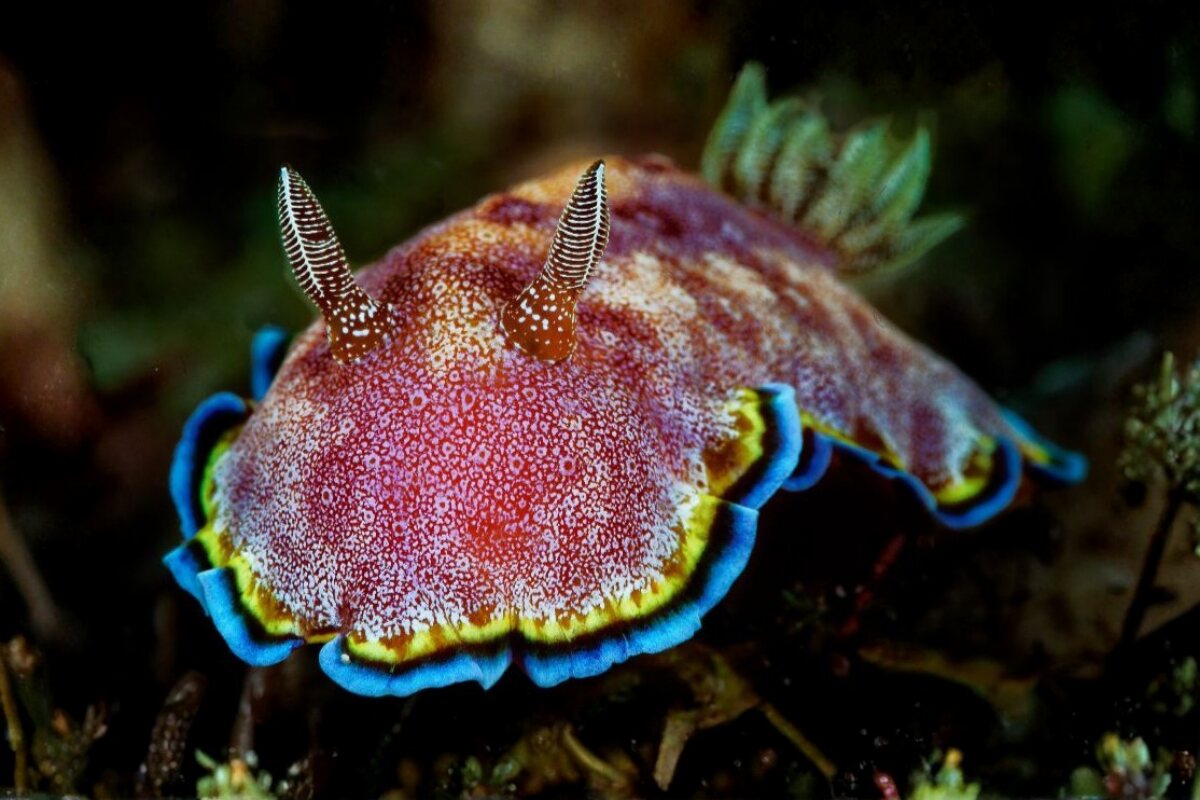
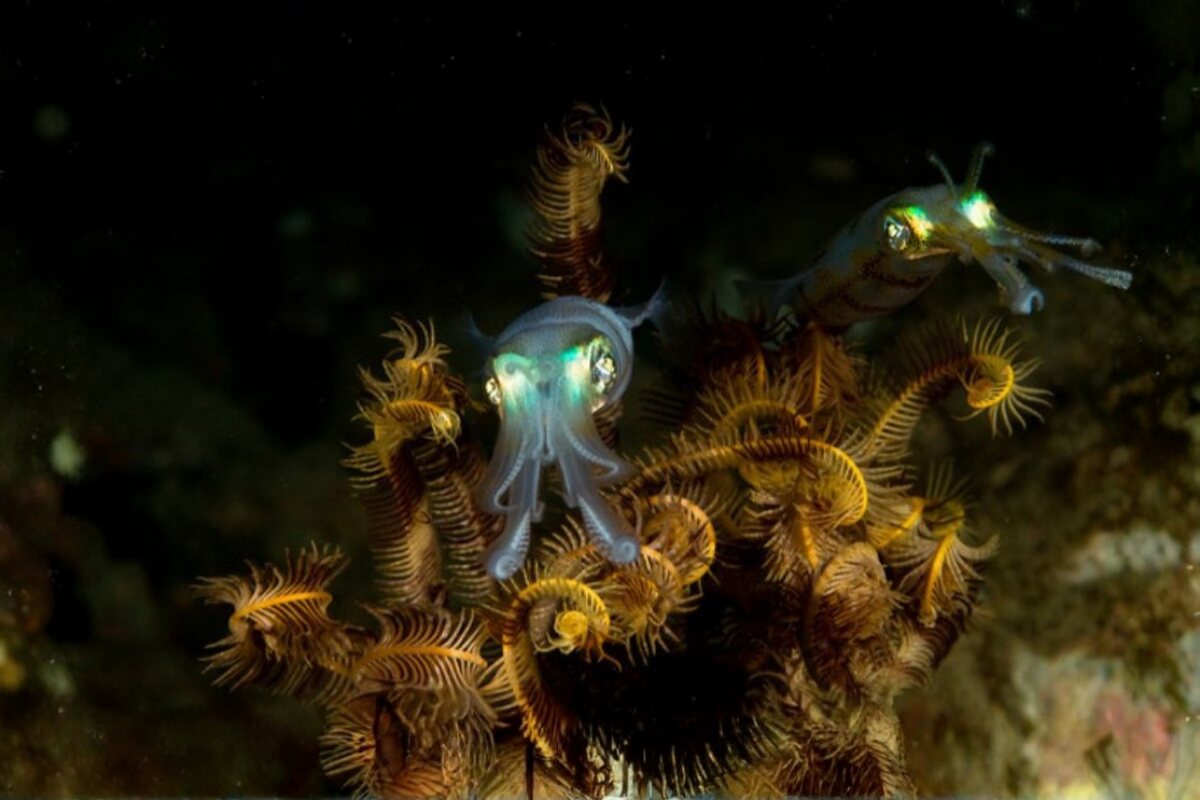
The peninsula is best known as the country's nudibranch capital. Nudibranchs are sea slugs, and that sounds dull until you see one. They come in colours that look invented, neon orange, electric blue, candy stripes, and Anilao has about 600 species of them. Add frogfish that sit still and pretending to be sponges, seahorses wrapped around a single blade of grass, and octopus that change colour while you watch, and you understand why divers keep coming back. The best part for newcomers is that most of this life sits shallow, often between 5 and 15 metres, spread across more than 50 dive sites. You do not need to go deep to see the good stuff.
For the truly committed there are blackwater dives. On dark new moon nights, boats go out over deep water and divers hang under a light to watch tiny open ocean creatures rise from below. It is otherworldly, and it draws underwater photographers to Anilao specifically. If that sounds like a lot for one weekend, it is. You can do Anilao gently or you can do it intensely. Both work.
A great place to start freediving
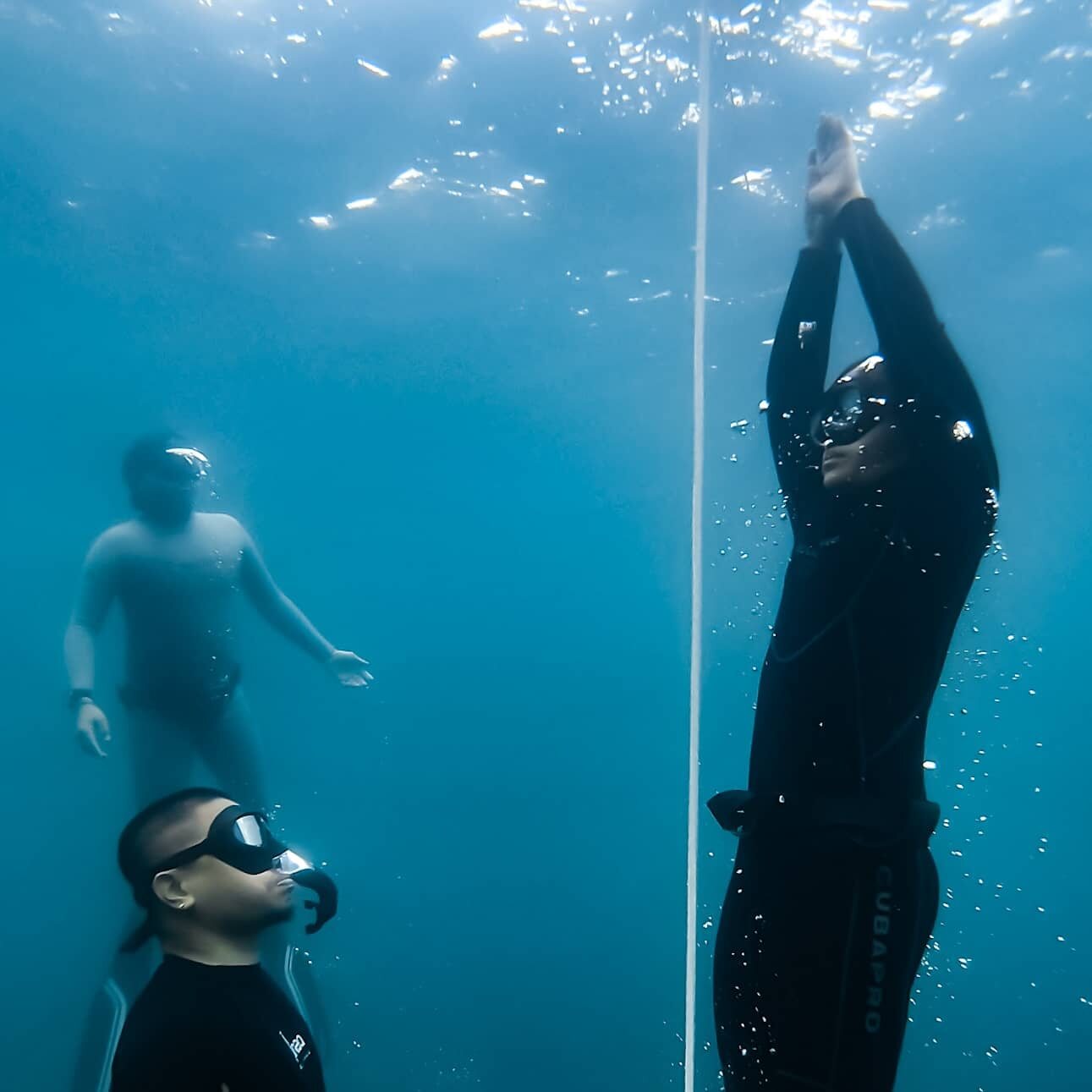
Anilao is also one of the better places in the country to try freediving, which is diving on a single breath with no tank. The reason is the same reason the photographers love it. The famous macro life sits at just 5 to 15 metres, so you can hang at a comfortable depth and watch critters without training to go deep. You get the reward early, which keeps the learning fun.
Weekend intro courses are easy to find. Schools such as Apnea Philippines run beginner sessions on the peninsula. A budget intro starts from about ₱2,600, and a typical session runs near ₱4,000 per person. Confirm what is included before you book, since some prices cover gear and some do not. Even one session changes how you move in the water on every dive after.
When to go
The diving season runs roughly from October to mid June. The calmest water and the lowest storm risk fall between January and May, and April and May are among the very best months of the year here. That makes a late spring weekend close to ideal.
The flip side is that everyone else in Manila also wants out of the city in those months, so the road matters as much as the tide.
Getting there without losing your Saturday
Anilao is about 2.5 to 3 hours south of Manila in clear conditions. You take the South Luzon Expressway, then the STAR Tollway, then a narrow town road for the last 30 kilometres or so. That final stretch is slow and winding, so do not trust a flat door to door estimate.
Many resorts on the peninsula are reached only by a short banca boat transfer from Anilao port or Talaga port. A banca is the traditional Filipino outrigger boat. This means you park, then someone picks you up by sea. Confirm your pickup with the resort before you drive down, so you are not standing at a pier wondering who to call.
Time your drive around the traffic. On the STAR Tollway during summer and long weekends, avoid heading south on Friday between 5pm and 10pm, and avoid heading back north on Sunday between 3pm and 8pm. A Saturday morning departure and a Sunday lunchtime return will save you hours.
Divers who would rather explore wrecks than sand can point the car the other way. See our weekend in Subic guide for that trip.
Where to stay
Lodging on the peninsula is built around diving, so most places run a dive shop and serve meals on site.
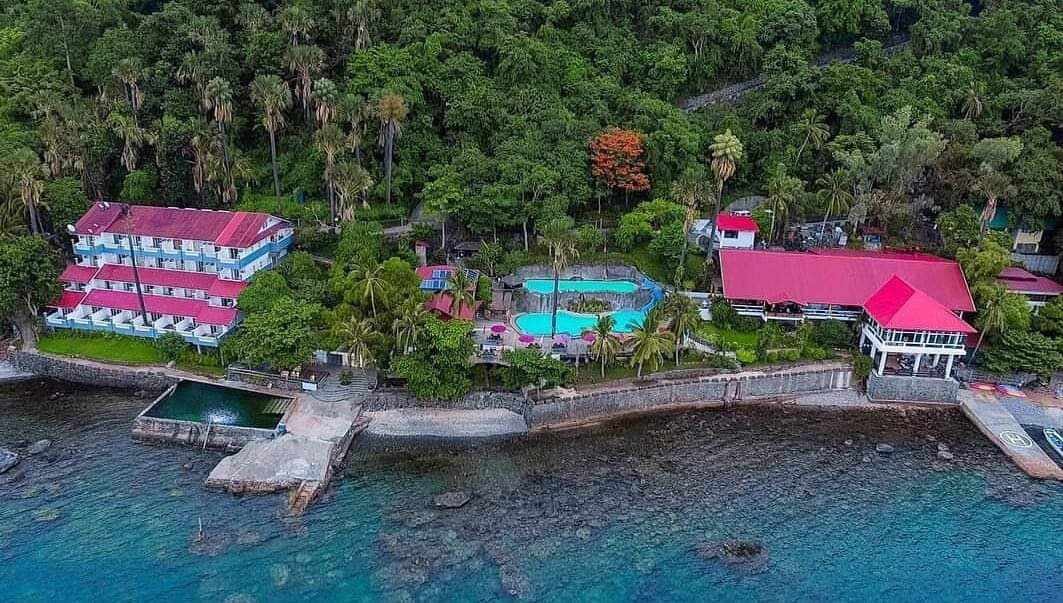
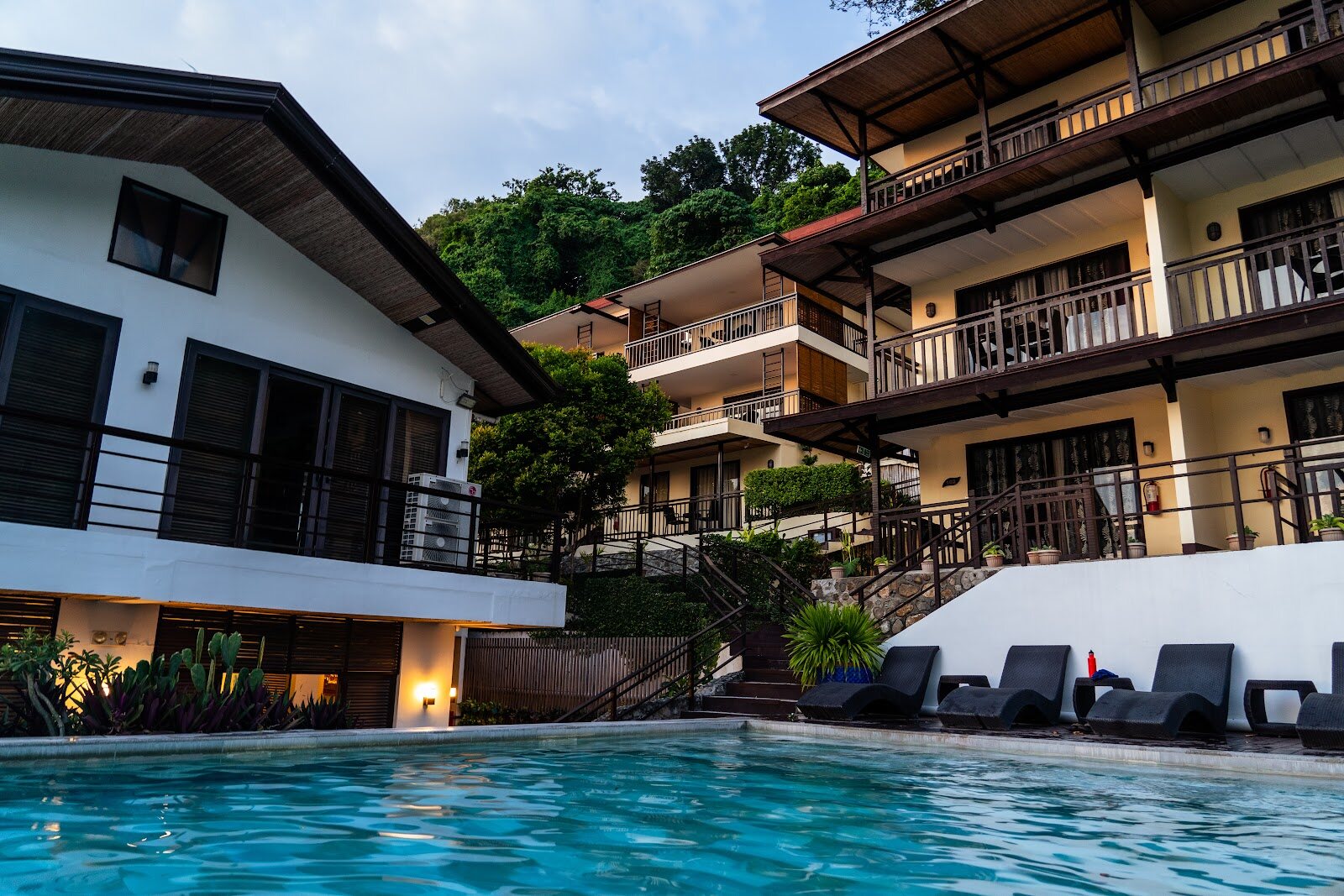
- Eagle Point Beach and Dive Resort is the most flexible base, and the easiest call if your group mixes divers with people who just want to swim and read. It sits on six hectares of seaside forest with several sea view pools and its own dive shop. Rooms start from ₱4,200 a night and run up to a ₱25,000 suite, and a day tour is ₱1,500 per person. Families and non divers are comfortable here, which is not true everywhere on the peninsula.
- Crystal Blue Resort is for people who came to dive and nothing else. It is built around full board diving packages and has proper camera facilities for photographers. Rates start from about ₱14,000 per person per night including full board and dives. Confirm current rates when you book, since packages change with the season.
- Budget option: there are backpacker homestays near the dive shops, and Eagle Point keeps non aircon economy cabanas for travellers who want to spend their money on bottom time rather than the room.
Where to eat
Be honest with yourself about meals before you go. Dining is scarce on the peninsula, and most travellers eat at their resort. That is normal here and not a problem if you plan for it.
The most reliable sit down cluster is at Eagle Point. Eagle's Nest Restaurant and the Mojito Poolside Bar and Grill serve fresh local seafood alongside American and Italian dishes, and they finish with a signature calamansi pie that is worth saving room for. If you stay elsewhere, ask your resort about its kitchen hours, because you will not be popping out for a late dinner.
Good to know
Pack like a diver, not a beachgoer. Bring a rash guard, reef safe sunscreen, a dry bag for the banca transfer, and a torch if you want any chance at the night dives. If you are renting gear, message the dive shop ahead so your sizes are ready when you arrive.
Most of all, slow down. Anilao rewards the people who hover in one spot and really look. The frogfish was always there. You just had to stop swimming to find it.
Plan it
- Eagle Point Beach and Dive Resort: flexible base on the Mabini peninsula, own dive shop
- Crystal Blue Resort: full board diving packages, camera facilities
- Apnea Philippines: weekend freediving intro courses
- Eagle's Nest Restaurant and the Mojito Poolside Bar and Grill: seafood and the calamansi pie at Eagle Point
Anilao is not a beach trip, it is a diving trip, and that is exactly why it is worth the drive south. Macro critters in shallow water, 600 nudibranch species, and a great place to start freediving with @apneaphilippines. Base yourself at Eagle Point and put your face in the water.
@apneaphilippines Eagle Point Beach and Dive Resort Crystal Blue Resort
More stories
All storiesAll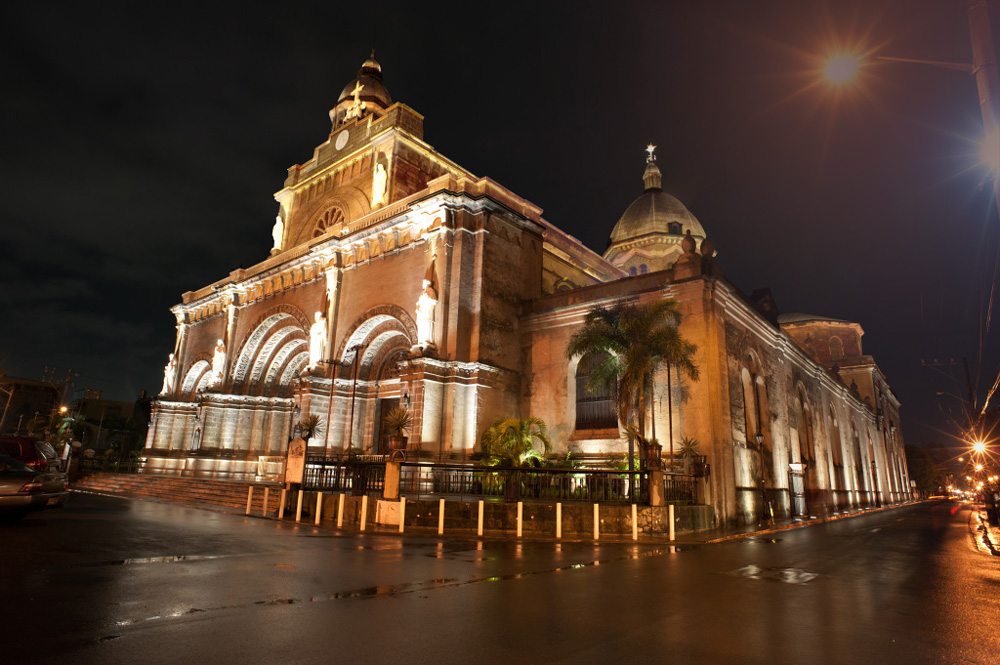
Simbang Gabi 2026 in Manila: Dates, the Churches Worth Going To, and How to Do All Nine
The nine dawn Masses run from Wednesday 16 to Thursday 24 December 2026. Here is what Simbang Gabi is, the day-by-day dates, and the churches worth going to from Intramuros to BGC, with last year's Mass times as a guide.
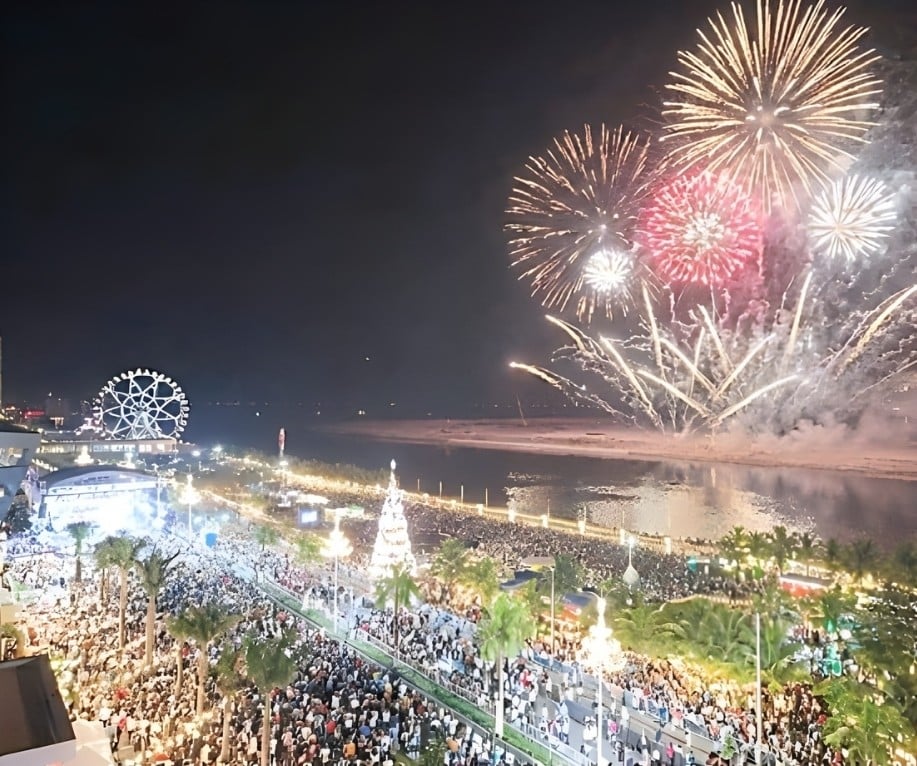
New Year's Eve in Manila 2026: Countdowns, Fireworks and Where to Be at Midnight
Mall of Asia over the bay, NYE at the 5th in BGC, the Ayala Avenue street party, Eastwood and Quezon Memorial Circle. What each did last year, what is known for 31 December 2026, and how to get home once the trains stop.
Christmas Lights in Metro Manila 2026: Where to See the Displays
Ayala Avenue, Rockwell, BGC, Mall of Asia and Okada. Which Christmas displays have a 2026 date, when the others switched on last year, and how to see them without the crowds.