Where Manila Eats Well Now
The Michelin Guide arrived in the Philippines in late 2025, and it confirmed what the city already knew. Here is where Metro Manila is cooking at its most serious, from a two-star tasting counter in Makati to a neo-Filipino bistro in Poblacion.
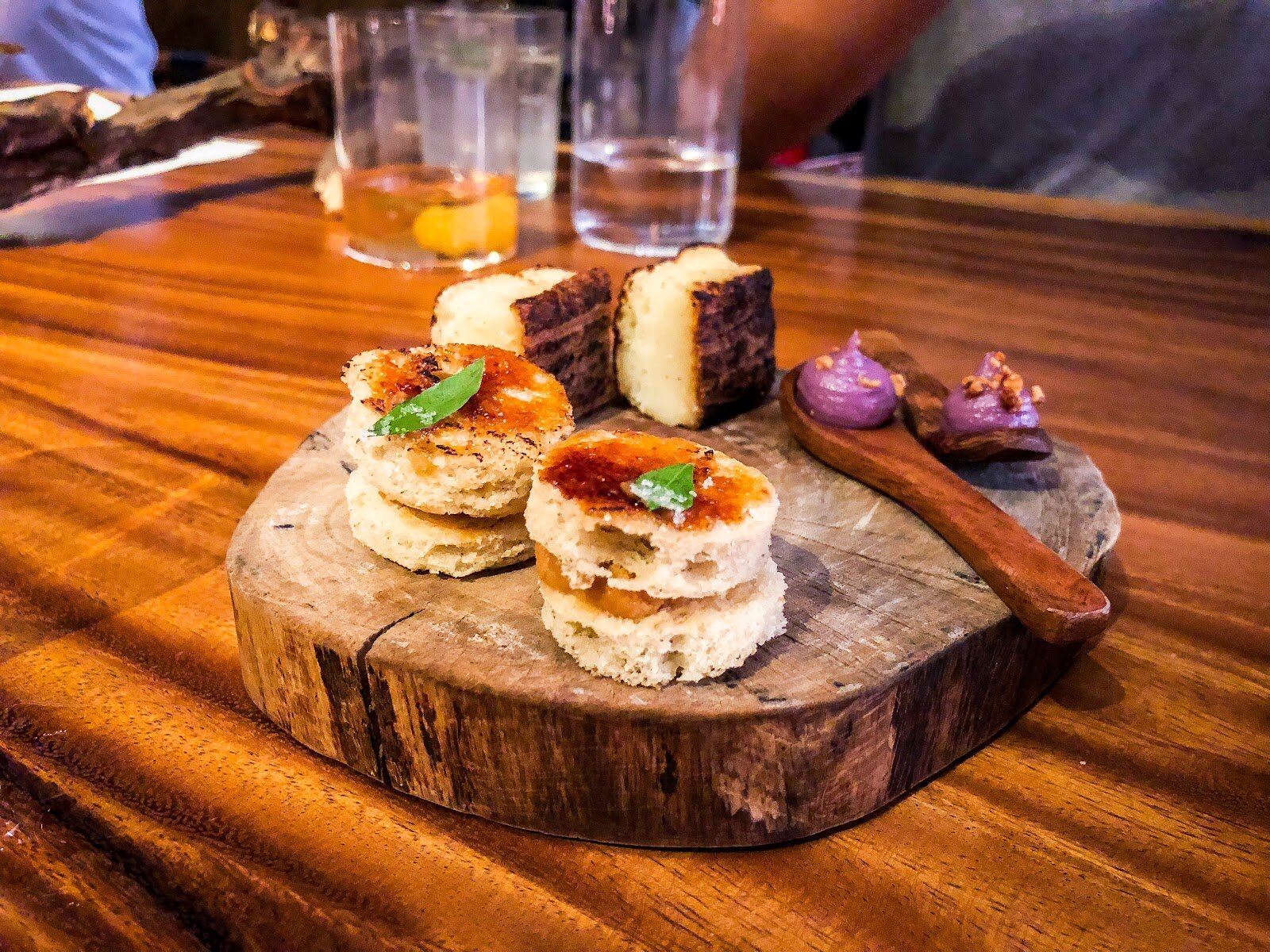
Photo: Max Stanton / Google
In October 2025, the Michelin Guide published its first selection for the Philippines. The result was one two-star restaurant, eight one-star restaurants, and a longer list of recommended tables across Metro Manila and Cebu. None of it was a surprise to people who have eaten here for the last decade. What the guide did was give an outside name to a scene that has been maturing in plain sight, built largely around one idea: cook Filipino produce with the discipline of a fine-dining kitchen, and do not apologise for either half.
Here is where that ambition is most worth your evening.
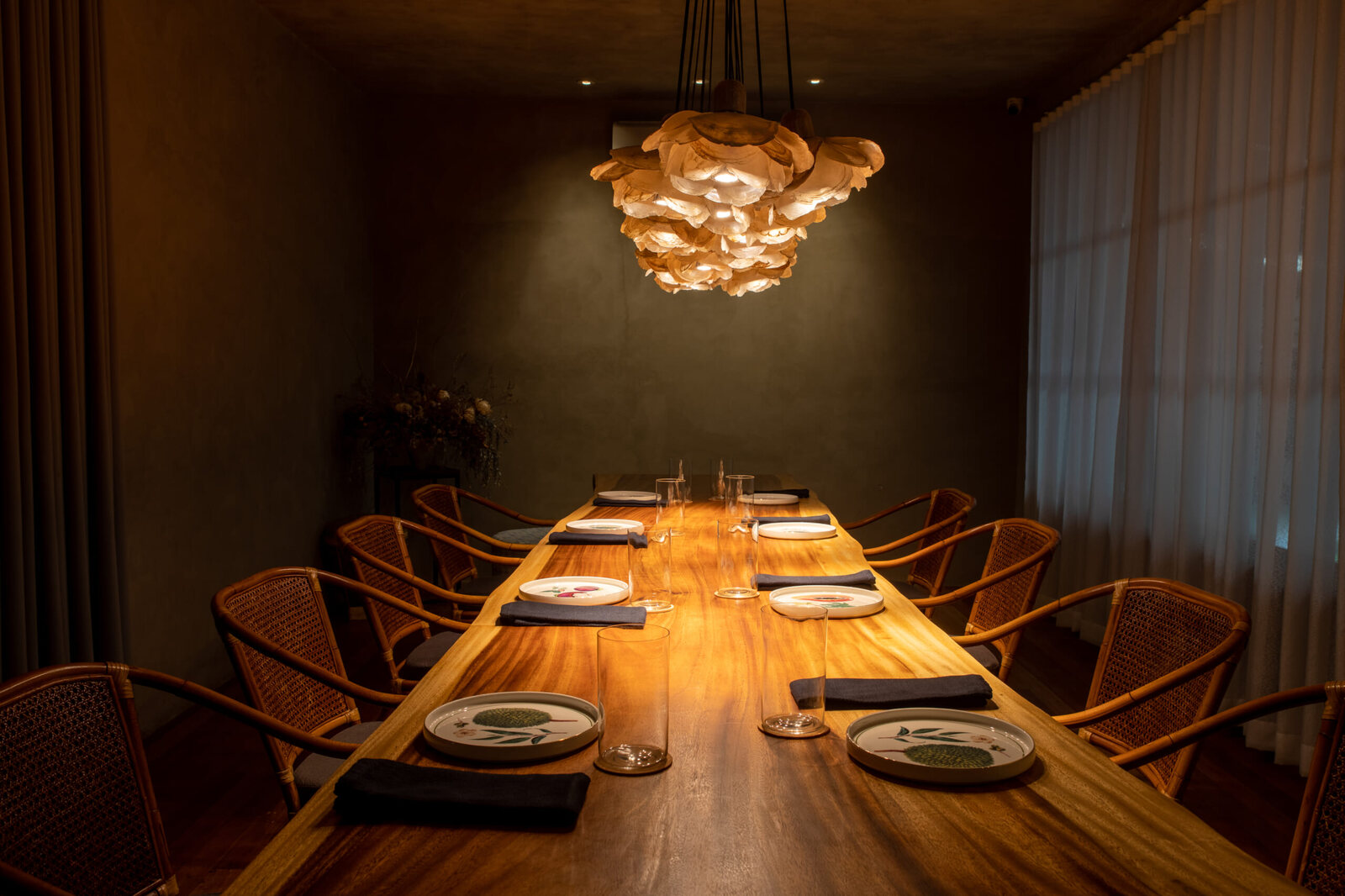
The tasting counters
The clearest statement of the new Manila is Helm, on the third floor of Tower 2 at The Shops at Ayala Triangle Gardens in Makati. Chef Josh Boutwood, born in England to a Filipino father and raised between Spain, the UK and Boracay, runs a 24-seat room where the stone counters wrap an open kitchen. Helm took two Michelin stars at the inaugural ceremony, the only restaurant in the country to do so. The menu changes every few months around a theme, and it draws on Boutwood's British, Filipino and Spanish lines at once. Reserve well ahead; the room is small and the demand is not.
Gallery by Chele sits on the fifth floor of the Clipp Center in Bonifacio Global City. Chef José Luis "Chele" González, a Spaniard who trained at El Bulli and Mugaritz, has spent years mapping the Philippine larder, and the kitchen now sources the large majority of its ingredients from local farmers, fisherfolk and indigenous communities. The restaurant holds one star and a Michelin Green Star for sustainability, the first in the country. There is a small herb garden on the floor itself. The tasting menus run six or ten courses, and the cooking is Spanish in method and Filipino in voice.
Hapag, on the seventh floor of The Balmori Suites in Rockwell, takes its name from the Filipino word for a shared table. Chefs Thirdy Dolatre and Kevin Navoa build menus that travel through specific Philippine regions; a recent one moved through Western Mindanao and the food cultures of Zamboanga, Basilan, Sulu and Tawi-Tawi. It holds one star, and its operations director and sommelier, Erin Recto, took the guide's Service Award, which tells you something about the room as well as the plates.
The Filipino canon, reconsidered
Toyo Eatery, in a quiet compound off Chino Roces Avenue in Makati, is the restaurant that taught the rest of the scene what was possible. Jordy and May Navarra opened it in 2016 after Jordy's time at The Fat Duck and Bo Innovation. It has been named the country's best on Asia's 50 Best list repeatedly, sits at one Michelin star, and won the regional Art of Hospitality award in 2025. The cooking pulls from Filipino memory, fermentation and long relationships with farmers. The signature is a single dish built around the children's song about a garden of vegetables, which is more moving on the plate than that description suggests.
A short walk into Poblacion is Metiz, on the ground floor of Karrivin Plaza. Chef Stephan Duhesme, half French and half Filipino, named the place after the word for mixed heritage, and the food follows: Filipino ingredients and recipes read through French technique, with house fermentation doing much of the quiet work. It is a Michelin-selected restaurant rather than a starred one, and at around four thousand pesos for the tasting menu it remains one of the better-value serious tables in the city.
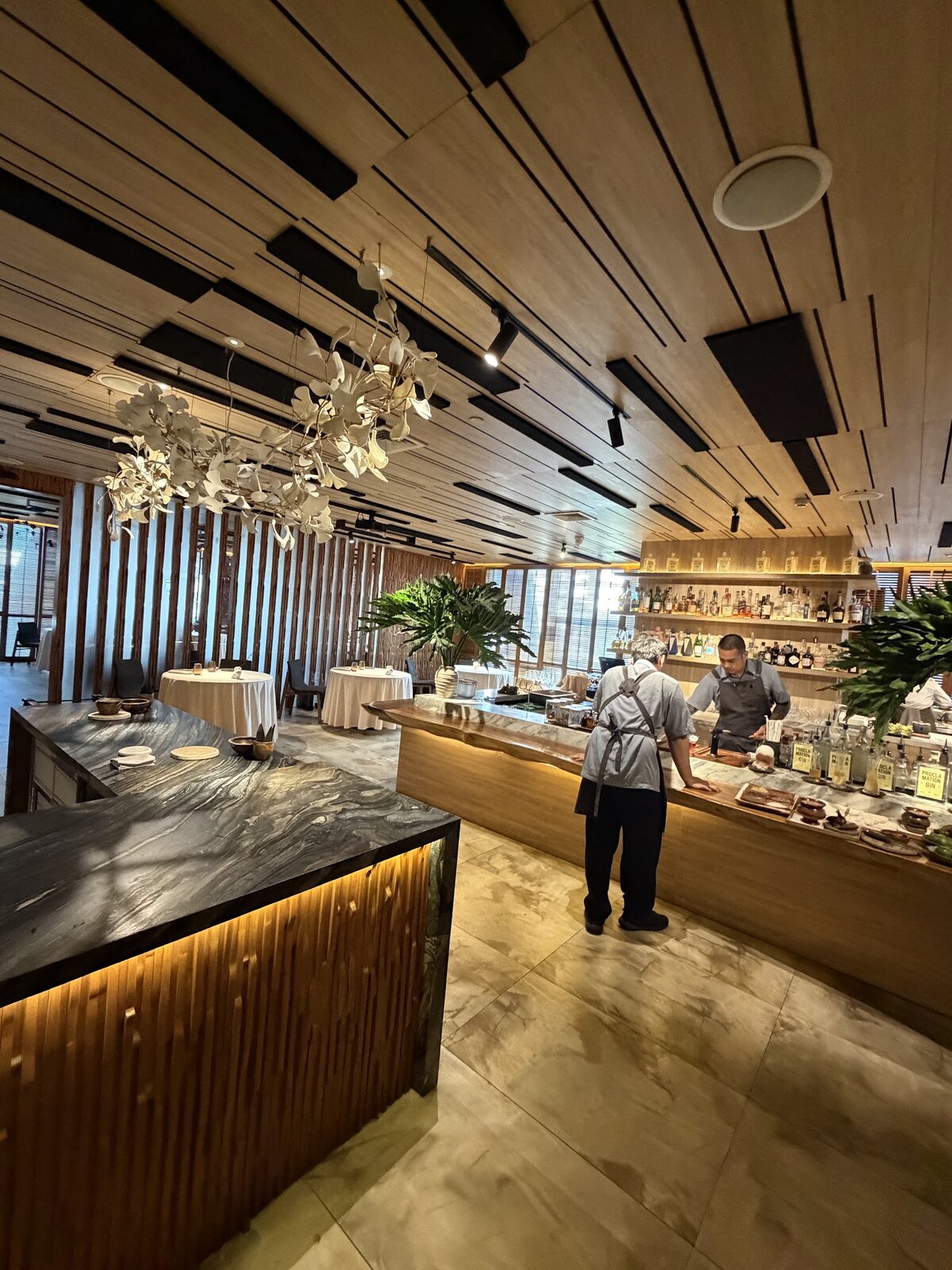
The neighbourhood table
Not everything here needs a tasting menu and a month of notice. Lampara, on a side street in Poblacion, is the neo-Filipino bistro that proves the point. RJ Ramos and the team cook French-leaning, ingredient-led plates with Filipino flavour, the kind of food you order across the table rather than receive in sequence. Michelin named it a Bib Gourmand, its mark for good cooking at fair prices, and the terrace stays relaxed in a way the grander rooms cannot be.
That is the shape of Manila now. A handful of tasting counters operating at a genuinely international standard, a deeper bench of kitchens reworking the Filipino canon, and bistros that let you eat seriously without ceremony. The guide arrived late. The cooking did not.
More stories
All stories
The Rise of Manila's Listening Bars
Manila has built a small but serious circuit of hi-fi and vinyl bars, where the sound system is the point and the records set the pace. A guide to the rooms worth the trip.
A First-Timer's Guide to Manila's Gallery Row
The contemporary art that matters in Metro Manila sits in a cluster of converted warehouses along Chino Roces Avenue in Makati. Here is how to see it in an afternoon, and where the major museums fit in.
The Best Cafés in Manila to Actually Work From
A short, practical guide to specialty-coffee cafés across Makati, BGC, Poblacion, and Quezon City that hold up for a few hours of laptop time. Good coffee, reliable wifi, real power, and enough quiet to think.