Old Churches in Manila: 10 Heritage Churches to Visit and the History Behind Each
Ten old churches to visit in Manila, from San Agustin, the oldest stone church in the country, to Quiapo, the metal San Sebastian, Binondo and the Las Piñas Bamboo Organ, with the history on each marker.
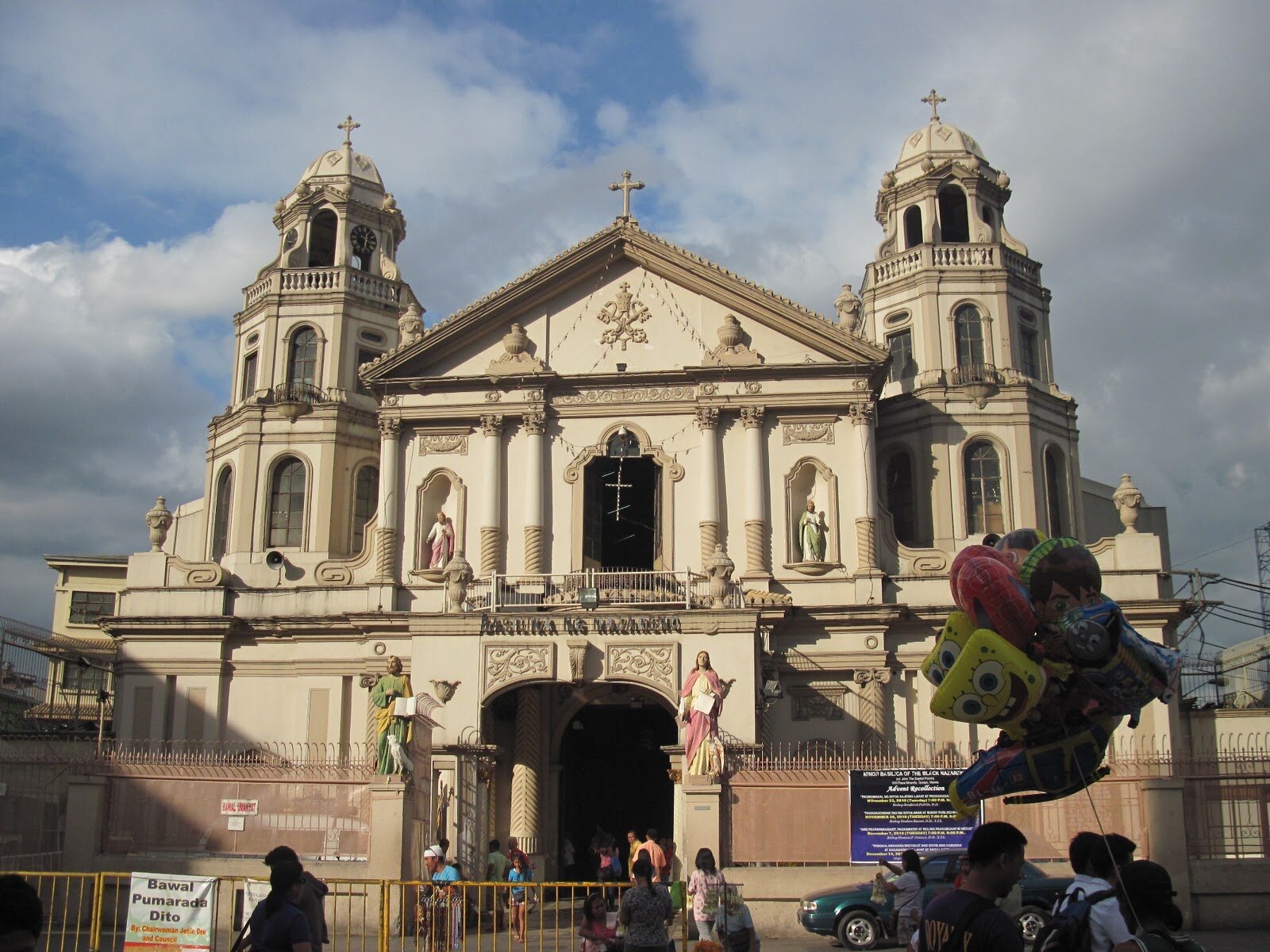
The old churches worth visiting in Manila start in Intramuros, with San Agustin Church, the oldest stone church in the Philippines and a UNESCO World Heritage Site, and the Manila Cathedral, rebuilt after a typhoon, a fire and three earthquakes. In Quiapo, Quiapo Church is home to the Black Nazarene, San Sebastian is a church built of metal made in Belgium, and Binondo Church began as a Dominican mission to the Chinese in 1587. Further out, Las Piñas Church keeps an organ of 902 bamboo pipes. Below are ten heritage churches, the history on each one's historical marker, and the visiting details the churches and the Intramuros Administration print themselves.
Updated November 2026.
The history in this guide comes from the historical markers recorded by the National Historical Commission of the Philippines (NHCP), read on 14 November 2026. Mass times are set by each parish and can change, so check the parish's own page before you go, and keep tours quiet when a Mass is on.
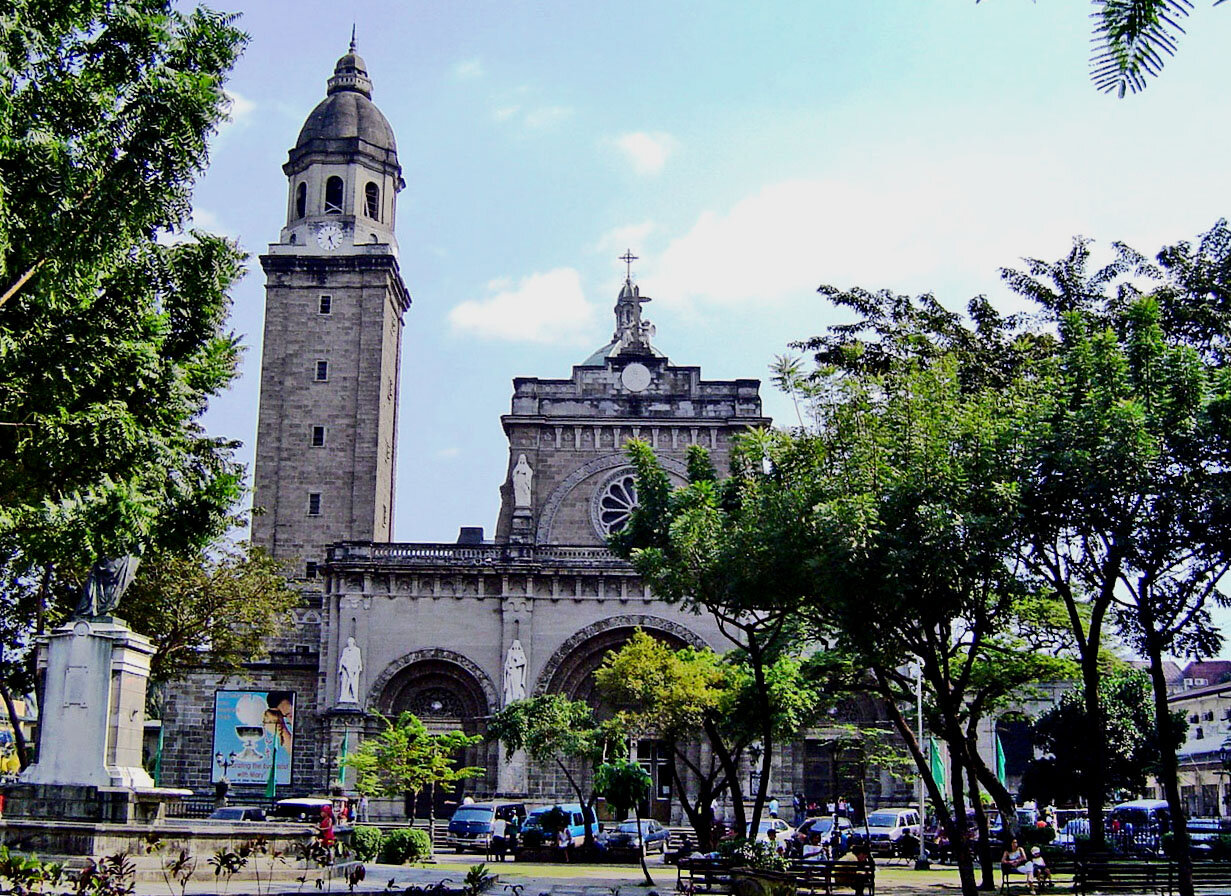
Manila Cathedral, Intramuros
The Manila Cathedral has been rebuilt again and again. Its NHCP marker counts a first cathedral built in 1581, damaged by a typhoon in 1582 and destroyed by fire in 1583, then stone cathedrals partly destroyed by an earthquake in 1600 and destroyed by earthquakes in 1645 and 1863. The cathedral standing today is the postwar reconstruction of 1954 to 1958, with Fernando Ocampo as architect.
Look up at the main doors. The cathedral says the central portal is cast bronze in eight panels by the Italian sculptors Alessandro Monteleone and Francesco Nagni, showing episodes from the cathedral's history. Pope John Paul II raised it to a basilica on 27 April 1981, and the cathedral notes it is the only church in the country made a basilica on the Pope's own initiative.
- Where: Intramuros, Manila.
- Mass, as listed on the cathedral's website: Monday to Friday 7:30AM and 12:10PM, Saturday 7:30AM only, Sunday 8AM, 10AM and 6PM.
- Office: Tuesday to Saturday 8AM to 4:30PM, Sunday 8AM to 11:30AM, closed Mondays and holidays. Phone (02) 8527 1796.
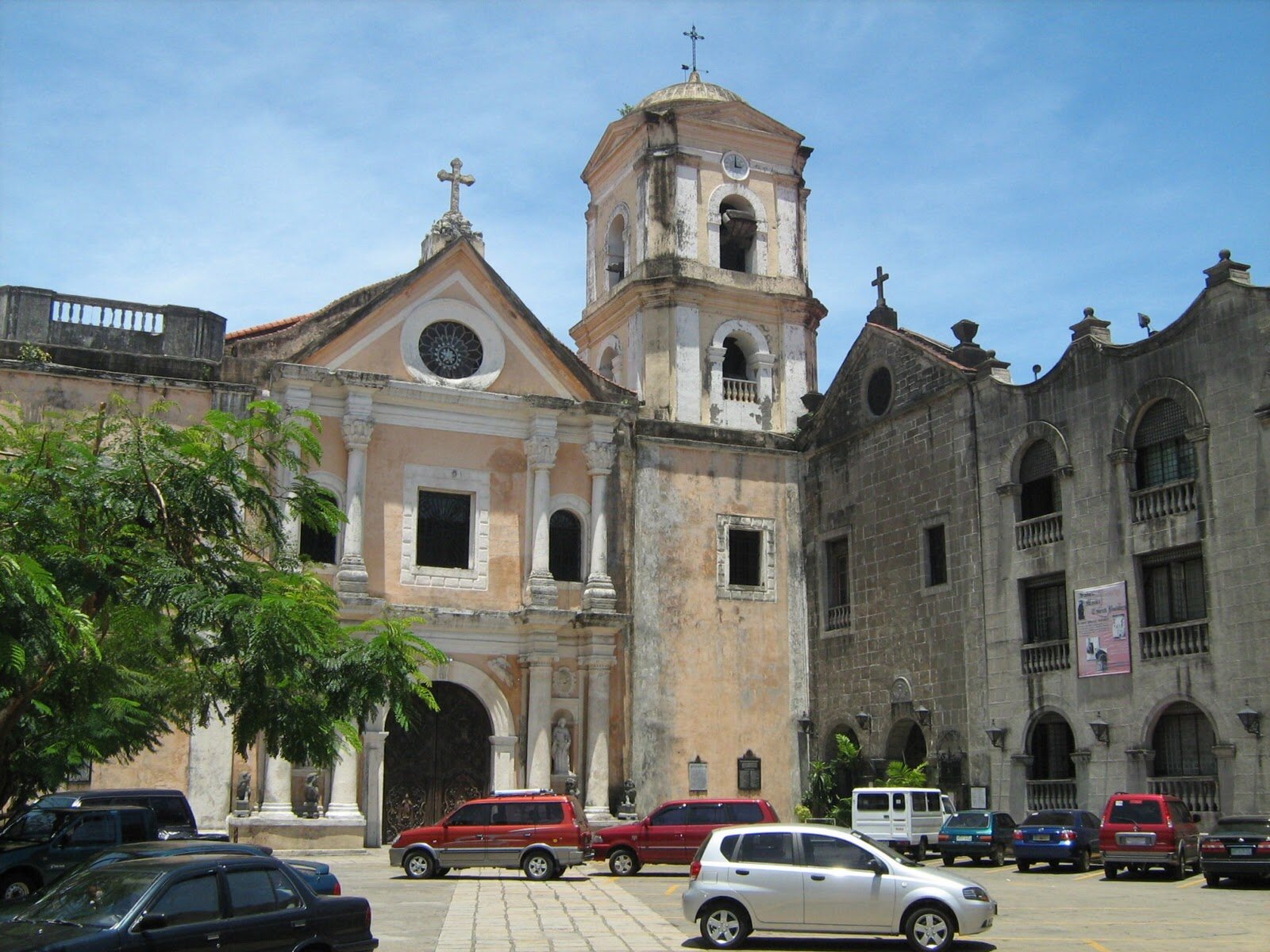
San Agustin Church, Intramuros
San Agustin Church is the one to see if you only have time for one. Its NHCP marker calls it the oldest stone church in the Philippines: construction started in 1587 and finished in 1607, and it has withstood earthquakes from 1645 onward, the British invasion of 1762, the Spanish-American War of 1898 and the Japanese invasion of 1942. It was chosen as a UNESCO World Heritage Site in 1993.
Inside, the choir loft has 68 carved molave seats with narra inlays, and the ashes of Legazpi, Salcedo and Lavezares rest in the easternmost chapel of the transept. The terms for the American occupation of Manila were prepared in its vestry in 1898. The church calls itself "The Wedding Capital of the Philippines".
The Intramuros Administration lists an entrance fee for the San Agustin Museum.
- Where: General Luna Street corner Real Street, Intramuros.
- San Agustin Museum: daily 8AM to 12PM and 1PM to 5PM. ₱200, or ₱160 for children under 18, seniors, students and persons with disabilities with ID. Cash only. These are the hours and fees on the Intramuros Administration's page, last updated September 2023.
- More in Intramuros: our Intramuros guide has Fort Santiago, Casa Manila and where to eat.
Quiapo Church
Quiapo Church has burned and been rebuilt more than once. Its marker says the district was founded on 29 August 1586 and the first church, of bamboo and nipa, burned in 1639. A fire on 30 October 1929 left only the walls and belfry, and the church was rebuilt to plans by the architect Juan F. Nakpil.
The reason people come is the Black Nazarene, which the marker describes as "a famous image of Christ bearing the cross" at the center of "intense Friday devotions throughout the year." Go on a Friday to see that devotion. For the feast and the procession of the image, see our Traslacion 2027 guide.
- Where: Quiapo, Manila.
San Sebastian Church, Quiapo
San Sebastian is a church made of metal. The NHCP marker says it was designed by Genaro Palacios, and that the structural metal "was manufactured in Belgium and erected here by Belgian engineers." It was blessed on 16 August 1891. The Recollect friars had built churches on this site since 1611, and earthquakes destroyed them in 1859, 1863 and 1880, before the metal church went up.
- Where: Pasaje del Carmen Street, Quiapo, Manila.
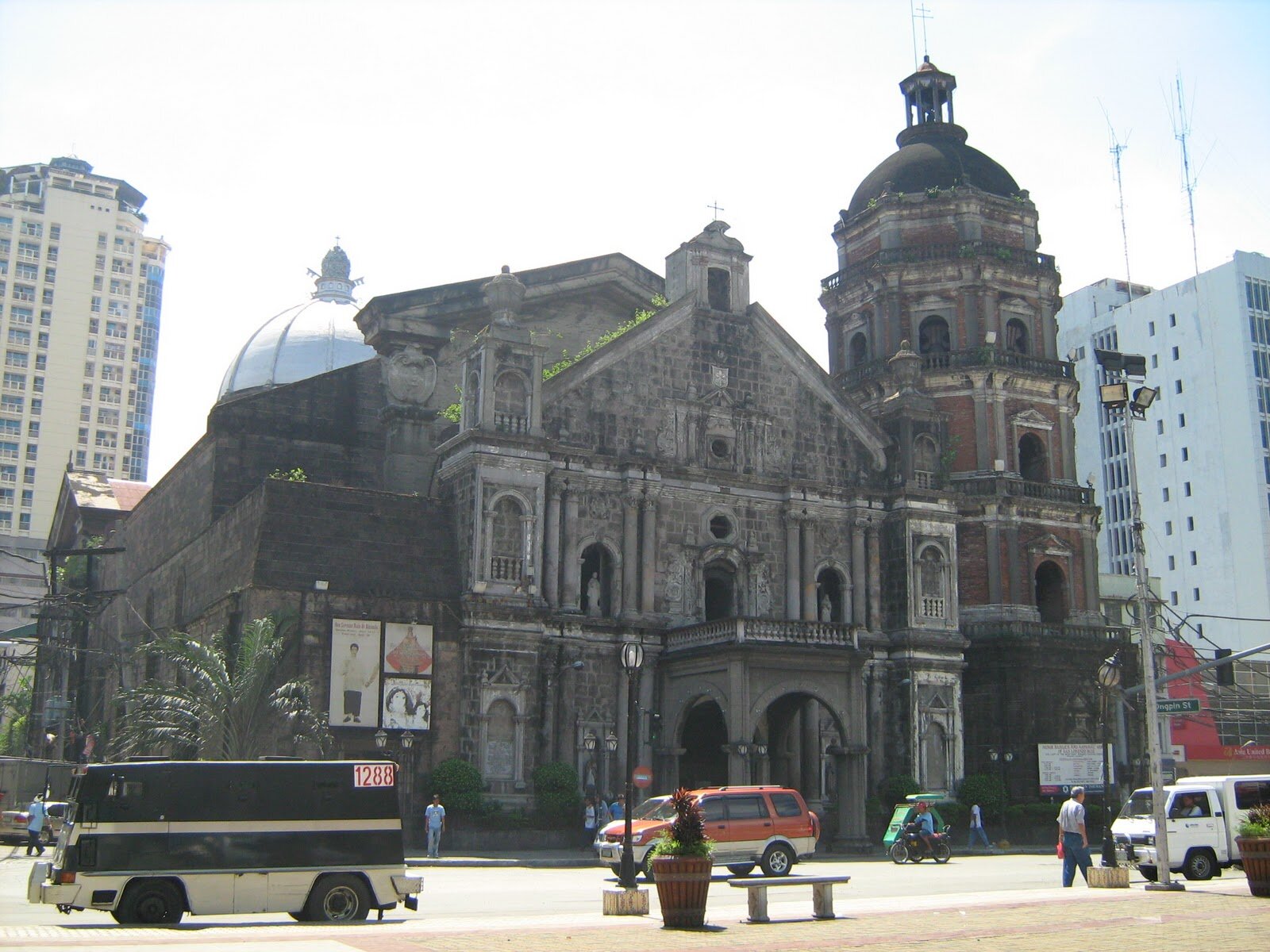
Binondo Church
Binondo Church stands on Plaza San Lorenzo Ruiz in Binondo, Manila's Chinatown. Its marker says the Dominicans founded a mission for the Chinese here in 1587, and it became a parish in 1596. It was damaged when the British came in 1762, and the church and a new convent were restored from 1946 to 1971.
Pair it with lunch: our Binondo food crawl covers where to eat in Chinatown.
- Where: Plaza San Lorenzo Ruiz, Binondo, Manila.
Santa Cruz Church
Santa Cruz Church was built and run by the Jesuits until 1768, according to its marker, with the Jesuit College of San Ildefonso beside it. Its patroness is Nuestra Señora del Pilar, whose image was brought from Spain before 1768. One detail for history fans: on the plaza outside, the British handed the city of Manila back to Simón de Anda y Salazar in 1764.
- Where: Santa Cruz, Manila.
Tondo Church
Tondo Church has a long parish history. Its marker says Tondo was the home of Lakandula, baptized by the Augustinian Martin de Rada, and that the parish once reached as far as Pasig, Cainta and Taytay. The present church was built by two Augustinians, Manuel Diez and Casimiro Herrero, in the second half of the 19th century. The marker notes the fluvial procession of the Santo Niño, a river procession that "has attracted thousands of visitors to Tondo."
- Where: Tondo, Manila.
Malate Church
Malate Church stands in a part of the city its marker says dates back to 1588. Its patroness is Nuestra Señora de los Remedios, whose statue the marker says was brought from Spain in 1624. In 1762, the marker says, the British landed troops "near these shores" and used the church to protect their rear guard while they took Manila. The church was badly damaged by the earthquake of 3 June 1863 and rebuilt afterwards.
- Where: Malate, Manila.
Guadalupe Church, Makati
In Makati, the old church to see is Nuestra Señora de Gracia in Guadalupe Viejo. Its marker says the Augustinians laid the foundations of the church and monastery in 1601 and finished building in 1629. The buildings withstood the earthquakes of 1645, 1658, 1754 and 1863 before the masonry roof fell in the earthquakes of 1880, and they were gutted by fire in February 1899 in the first fighting between Americans and Filipinos.
- Where: 7440 Bernardino Street, Guadalupe Viejo, Makati.
Las Piñas Church and the Bamboo Organ
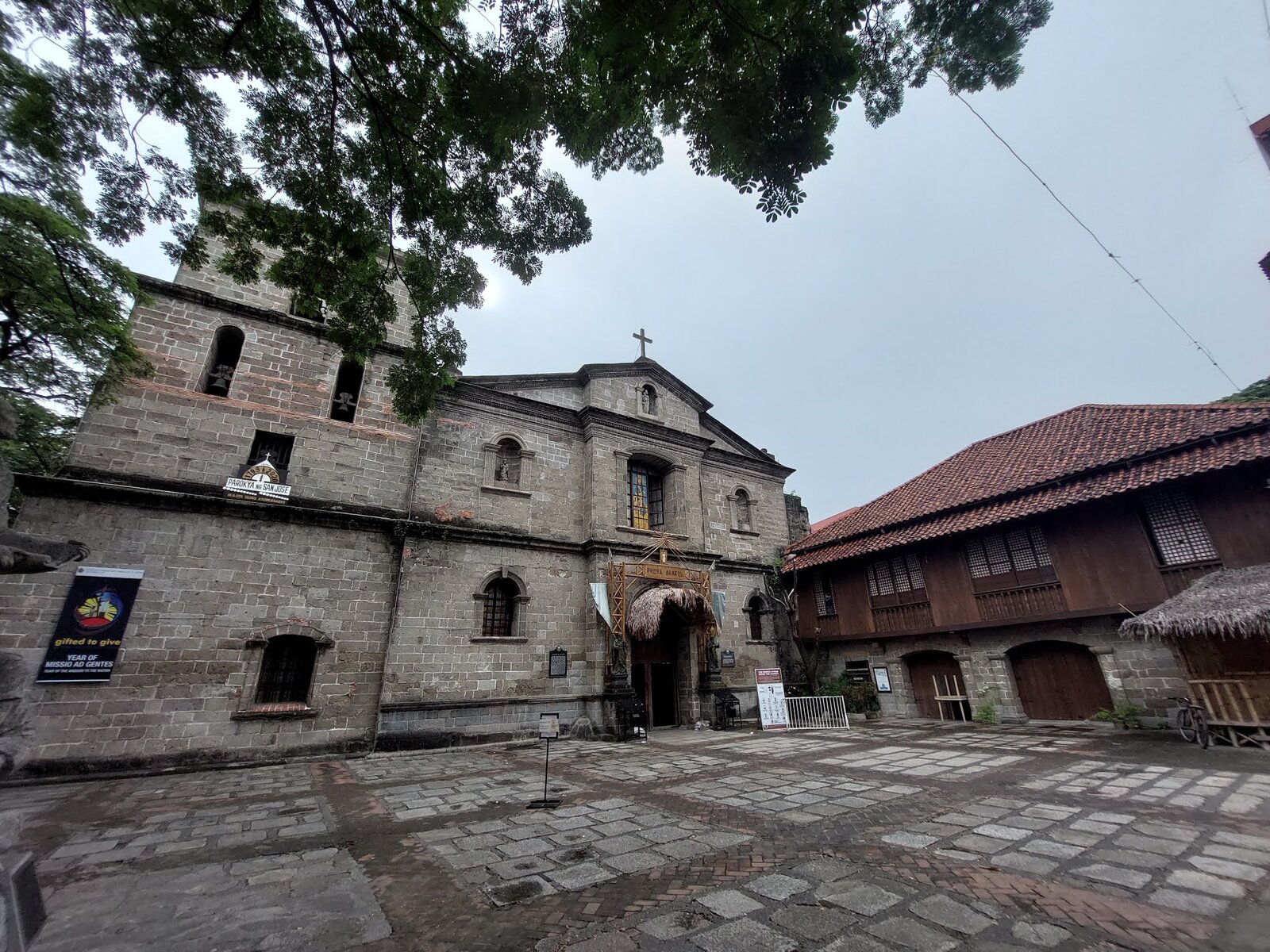
Las Piñas Church is the trip out of the center, and the reason is the organ. Its marker says the first resident parish priest, Fr. Diego Cera, built the stone church from 1797 to 1819, and an organ of 902 bamboo pipes and 129 tin pipes from 1816 to 1824. After the earthquakes of 1880 it was no longer used for Mass, and repairs in 1883 were never finished. It served as a camp for prisoners in the Japanese occupation and as a hospital at the Liberation. The parish and the Historical Conservation Society restored it from 1962 to 1977, and the NHCP declared the Parish Church of San Jose a National Historical Landmark on 15 July 2013.
- Where: P. Diego Cera Avenue, Las Piñas City.
Questions people ask
What is the oldest church in Manila? San Agustin Church in Intramuros. Its NHCP marker calls it the oldest stone church in the Philippines, built from 1587 to 1607.
Is there an entrance fee for San Agustin Church? The Intramuros Administration lists a fee for the San Agustin Museum: ₱200, or ₱160 discounted, cash only. Its page does not list a fee for the church itself.
What are the Mass times at the Manila Cathedral? Its website lists Monday to Friday 7:30AM and 12:10PM, Saturday 7:30AM, and Sunday 8AM, 10AM and 6PM. For the December dawn Masses, see our Simbang Gabi 2026 guide.
Which church in Manila is made of metal? San Sebastian Church in Quiapo. The NHCP says its structural metal was made in Belgium and put up by Belgian engineers, and it was blessed in 1891.
When is Quiapo Church busiest? Fridays. The NHCP marker describes "intense Friday devotions throughout the year" to the Black Nazarene.
Which old churches can I see in one day? Start in Intramuros, where San Agustin and the Manila Cathedral both stand, then go to Quiapo, where Quiapo Church and San Sebastian share a district. Add Binondo Church if you are eating in Chinatown.
More stories
All storiesAll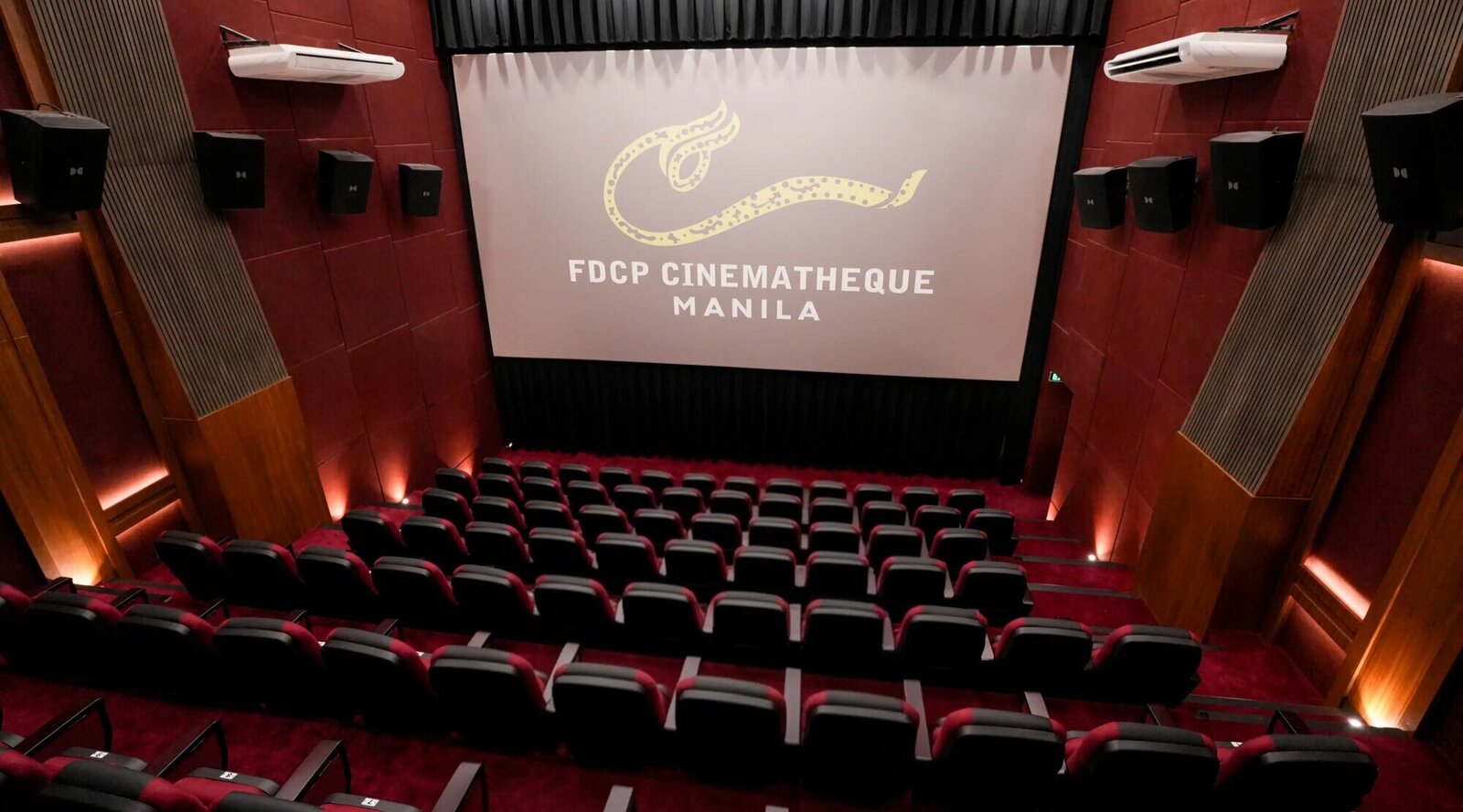
Indie Cinemas and Film Screenings in Manila: The Cinematheque, Film Festivals and What Is Showing
Manila's home for indie and classic film is the 80-seat FDCP Cinematheque in Intramuros, ₱150 a film. Plus the Japanese Film Festival to 29 November, and why Cine Adarna is closed.
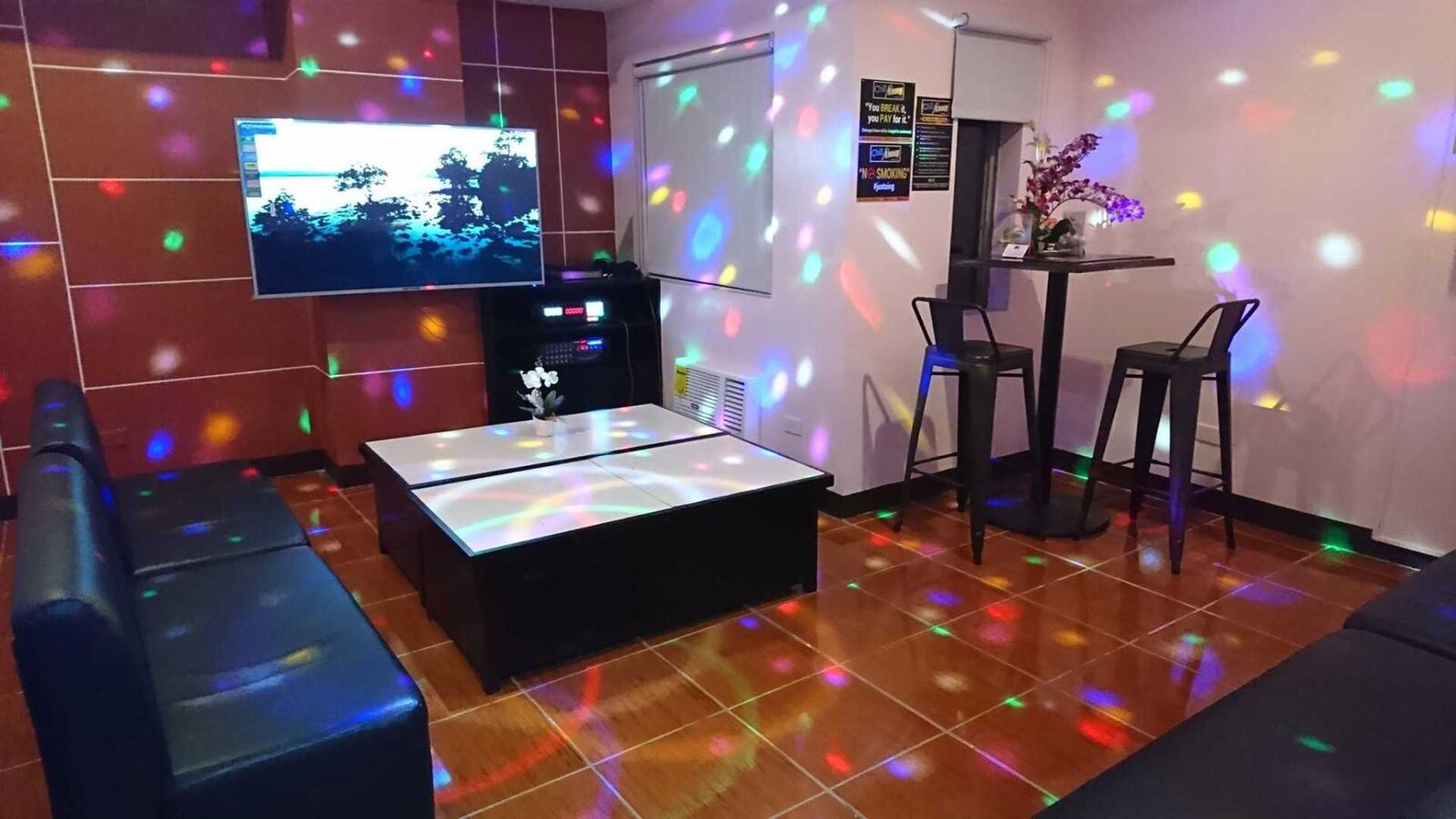
Karaoke and KTV in Manila: Rooms by the Hour, Late-Night Singing and Open Karaoke
For KTV rooms in Manila, book Rockstar KTV in Makati, BGC or Pasay, or Music 21 Plaza Makati, open 24 hours. Chill Top charges per head. Mad Monkey in Poblacion runs an open karaoke night.
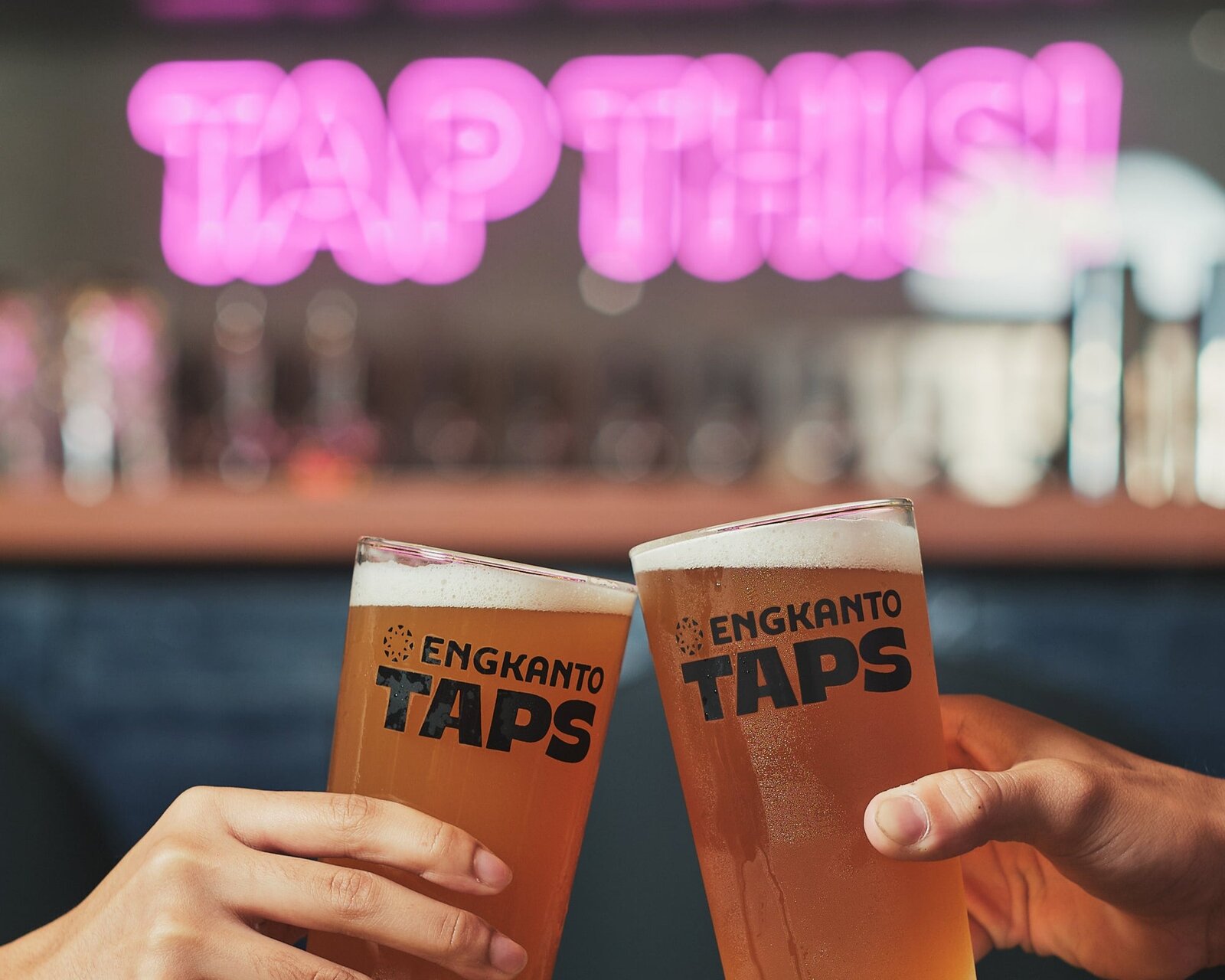
Craft Beer in Manila: Brewery Taprooms and Craft Beer Bars, With Hours and How to Book
The best craft beer in Manila is poured where it is brewed: Elias in Quezon City, Palm Tree Abbey in Makati, The Perfect Pint and Engkanto Taps. Hours, addresses and how to book each one.