Staying Fit Around Manila's Heat and Air
Why fitness in Metro Manila clusters around dawn runs and air conditioned studios, and how to train well in the heat without burning out.
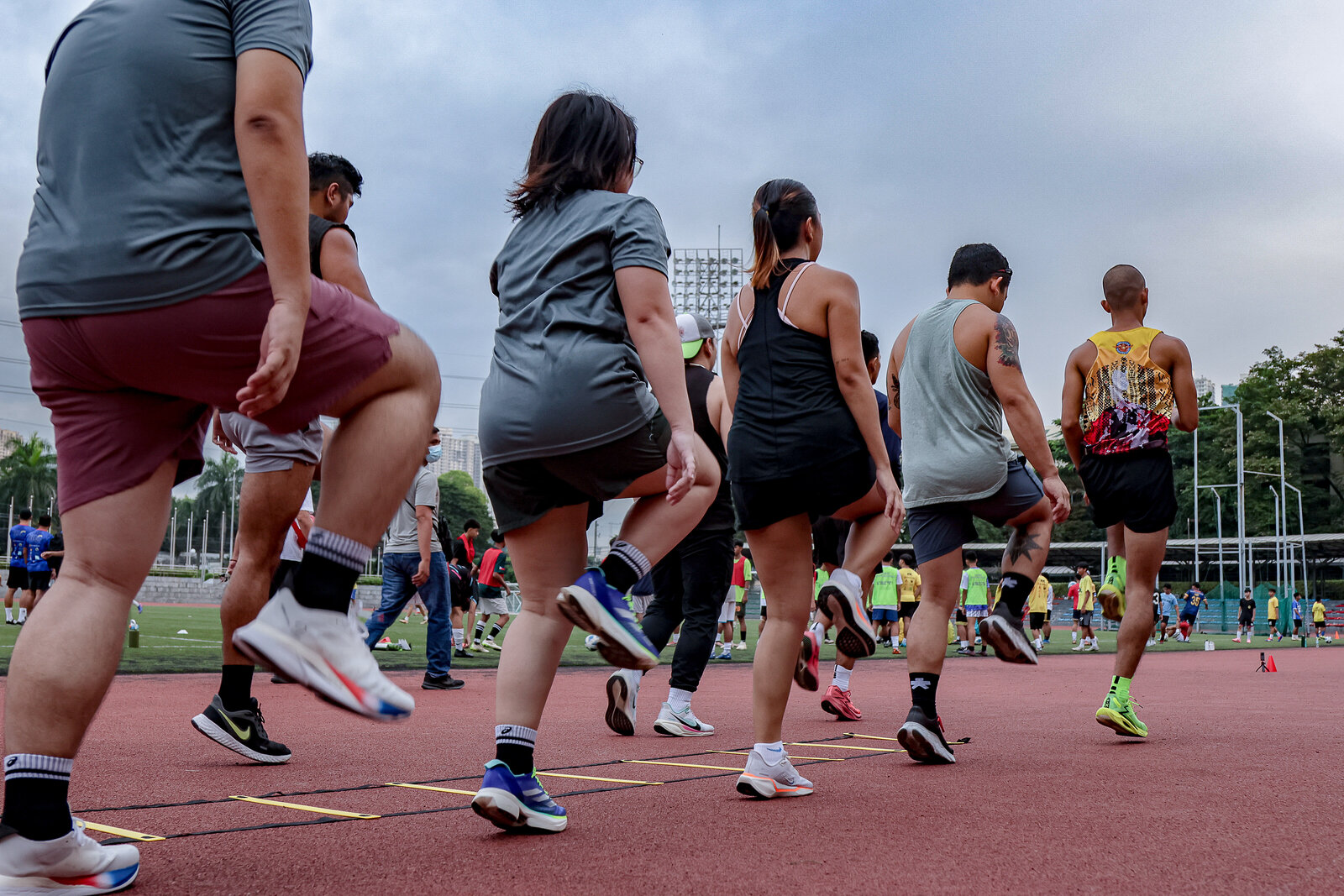
Photo: RunBGC by AthLife
If you have ever tried a midday run in Metro Manila and felt like you hit a wall after ten minutes, you were not unfit and you were not imagining it. The city itself was working against you. Once you understand why, the way fitness looks here starts to make sense. The dawn run crews, the rows of air conditioned cycling studios, the runners you see only after dark. None of it is fashion. It is a sensible response to two real constraints: heat and air.
This is the piece that ties our Train section together. Read it first, then dive into the deeper guides on running, indoor cardio and swimming.
The first constraint: heat plus humidity
Manila is hot, but heat alone is not the problem. The real issue is heat plus humidity together.
Your body cools itself by sweating. The sweat sits on your skin, evaporates, and carries heat away as it goes. That system works beautifully in dry air. It struggles badly in wet air. When humidity climbs above about 75 percent, the air is already so full of water that your sweat barely evaporates at all. It just runs off you. You are soaked, you are still hot, and your body cannot shed the heat it is making.
That is why a 30C reading in Manila can feel far hotter than 30C somewhere dry. The number on the screen is not the whole story. On a humid afternoon, even an easy effort can leave you dizzy and spent because your internal cooling has quietly stopped keeping up. This is also why pushing hard in the wrong window is not brave. It is just risky.
The second constraint: the air
The second factor is the air itself. Metro Manila traffic is heavy, and that traffic puts a lot of exhaust into the air during the busy daytime hours. The dirtiest air tends to sit over the city in the middle of the day, right when the heat is worst too.
The good news is that air quality is not fixed across the day. It is usually at its best in the early morning, before the roads fill, and again late in the evening once traffic thins out. So the cool hours and the cleaner hours happen to be the same hours. That single overlap explains most of how the city trains.
On genuinely bad air days, when haze hangs low or you can smell the road, the smart move is simple. Train indoors, or wear a proper mask if you must be out. Your lungs will thank you, and one indoor session is not a setback.
What this adds up to
Put the two constraints together and a clear pattern falls out.
Serious outdoor running concentrates in a narrow cool window, roughly 4am to 6:30am, before the sun has any strength, and again after dark once the road has given back its heat. Run then and the city is a different place. The air is softer, the pace comes easier, and the streets are quiet. This is exactly why crews such as 5 AM Gang and WeKenRun build their sessions around dawn and night. They are not early risers for the sake of it. They are running when running actually works.
A lot of cardio also simply moves indoors. Rhythm cycling, reformer pilates, yoga and boxing all happen in air conditioned studios for a good reason. Inside, the heat and the air are no longer your problem, so you can train hard at any hour and stay consistent through the hottest months. Treat the studio as a real plan, not a compromise. Many of the fittest people in this city train mostly indoors and run outdoors only in the good window.
When people here do run outside, they cluster in the same handful of places: the relatively car light, tree lined enclaves where you are not breathing exhaust at every corner. In practice that means Bonifacio Global City, known to everyone as BGC, the long shaded avenues of the University of the Philippines Diliman campus, and the Ayala Triangle and Salcedo pockets of Makati. Shade, even pavement, and a clean loop. That is the whole appeal.
How to train well in the heat
You do not need to be an athlete to train comfortably here. You just need to work with the city instead of against it. A few habits carry almost everyone.
Pick the right window
In the hot months, train at dawn or after dark for anything outdoors. The middle of the day is for the gym or the pool, not the road. This one choice matters more than any other.
Hydrate properly
Drink before you start, sip during, and keep drinking after. On longer or harder sessions you also lose salts, not just water, so replace electrolytes too. Plain water alone is not enough when you are sweating heavily for an hour or more.
Build heat tolerance slowly
Your body can adapt to training in the heat, but only gradually. Add time and intensity over a couple of weeks rather than all at once. If you have just arrived in the city or you are coming back from a break, start gentle and let the heat earn your trust.
Check the air, then decide
On hazy days, glance at an air quality reading before you head out. If it looks bad, move the session indoors or wear a mask. Listen to your chest, not your ego.
Keep an indoor plan B
Have a studio or a pool you like and use it freely. The point is to keep training through the year, and the people who stay consistent are the ones who never let weather end a week.
Where to train
Quick reference for the crews and guides named above.
- 5 AM Gang Run Club: free dawn sessions across BGC, Makati, Quezon City and Alabang.
- WeKenRun: coached speed crew in BGC, UP Diliman and Alabang.
- Manila running guide: routes, windows and crews.
- Indoor cycling, yoga and pilates: the studios worth your time.
- Lap swimming guide: pools you can do laps in.
- Where to train in Manila: gyms, boxing, climbing and more.
Good to know
The hardest stretch runs from the dry hot months of March through May, when midday heat peaks, into the wet season from roughly June onward, when humidity stays high and afternoon storms arrive. Through all of it the rule holds: the early morning is your friend. If you only ever change one thing about how you train here, move it to dawn. The city is cooler, the air is cleaner, and for an hour the streets are yours.
Why Manila fitness looks the way it does: dawn runs, dark runs, and air conditioned studios are all a smart answer to heat and traffic air. Our guide to training well through it, with @5amgangrunclub and @wekenrun.
@5amgangrunclub @wekenrun
More stories
All storiesAll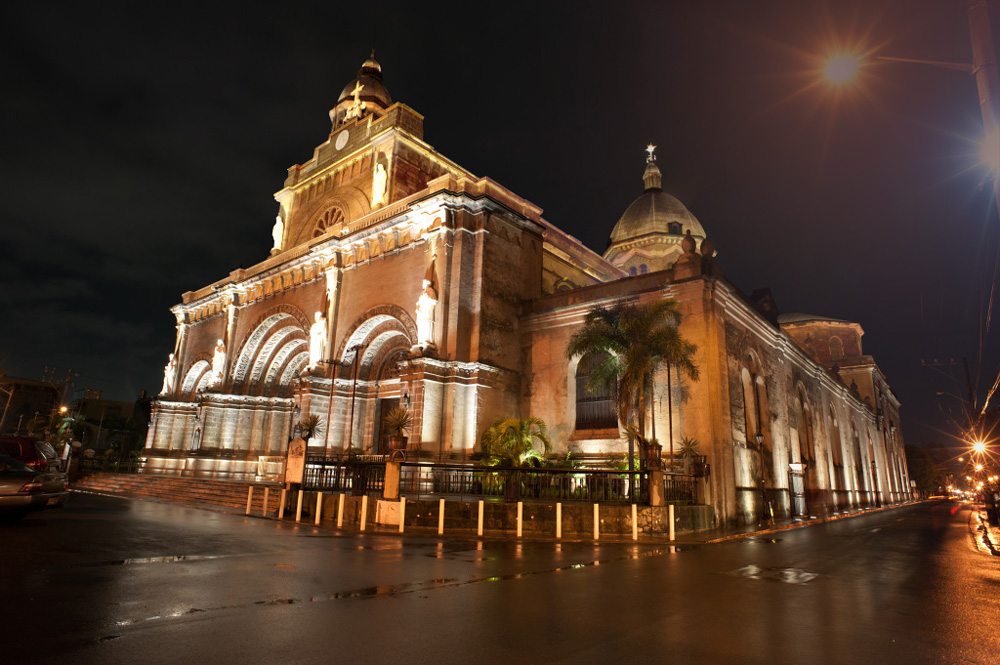
Simbang Gabi 2026 in Manila: Dates, the Churches Worth Going To, and How to Do All Nine
The nine dawn Masses run from Wednesday 16 to Thursday 24 December 2026. Here is what Simbang Gabi is, the day-by-day dates, and the churches worth going to from Intramuros to BGC, with last year's Mass times as a guide.
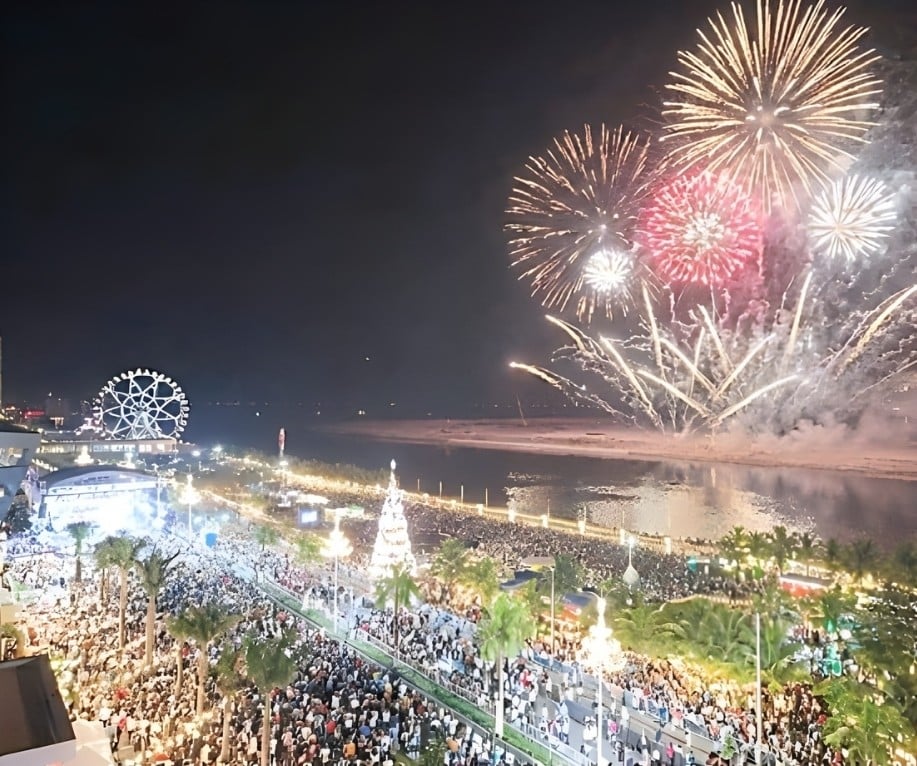
New Year's Eve in Manila 2026: Countdowns, Fireworks and Where to Be at Midnight
Mall of Asia over the bay, NYE at the 5th in BGC, the Ayala Avenue street party, Eastwood and Quezon Memorial Circle. What each did last year, what is known for 31 December 2026, and how to get home once the trains stop.
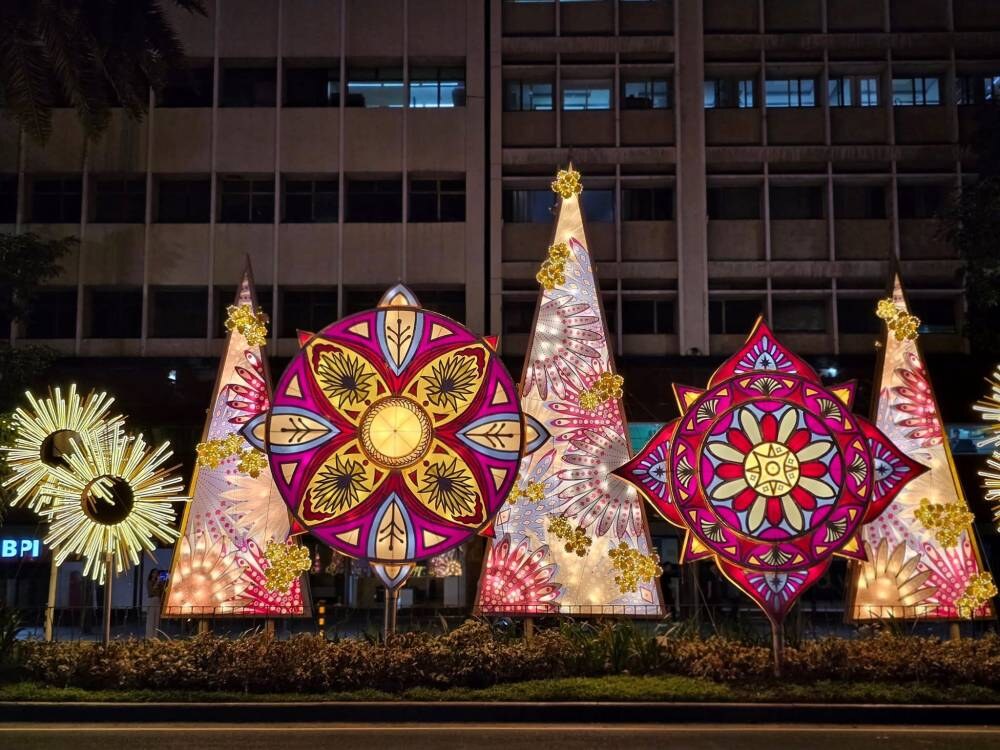
Christmas Lights in Metro Manila 2026: Where to See the Displays
Ayala Avenue, Rockwell, BGC, Mall of Asia and Okada. Which Christmas displays have a 2026 date, when the others switched on last year, and how to see them without the crowds.