BGC vs Makati (and the Rest): Where to Live in Metro Manila
A fair, practical comparison of BGC, Makati, Rockwell, Ortigas, Kapitolyo and Alabang on walking, commute, flooding, noise and what is nearby, with no developer behind it.
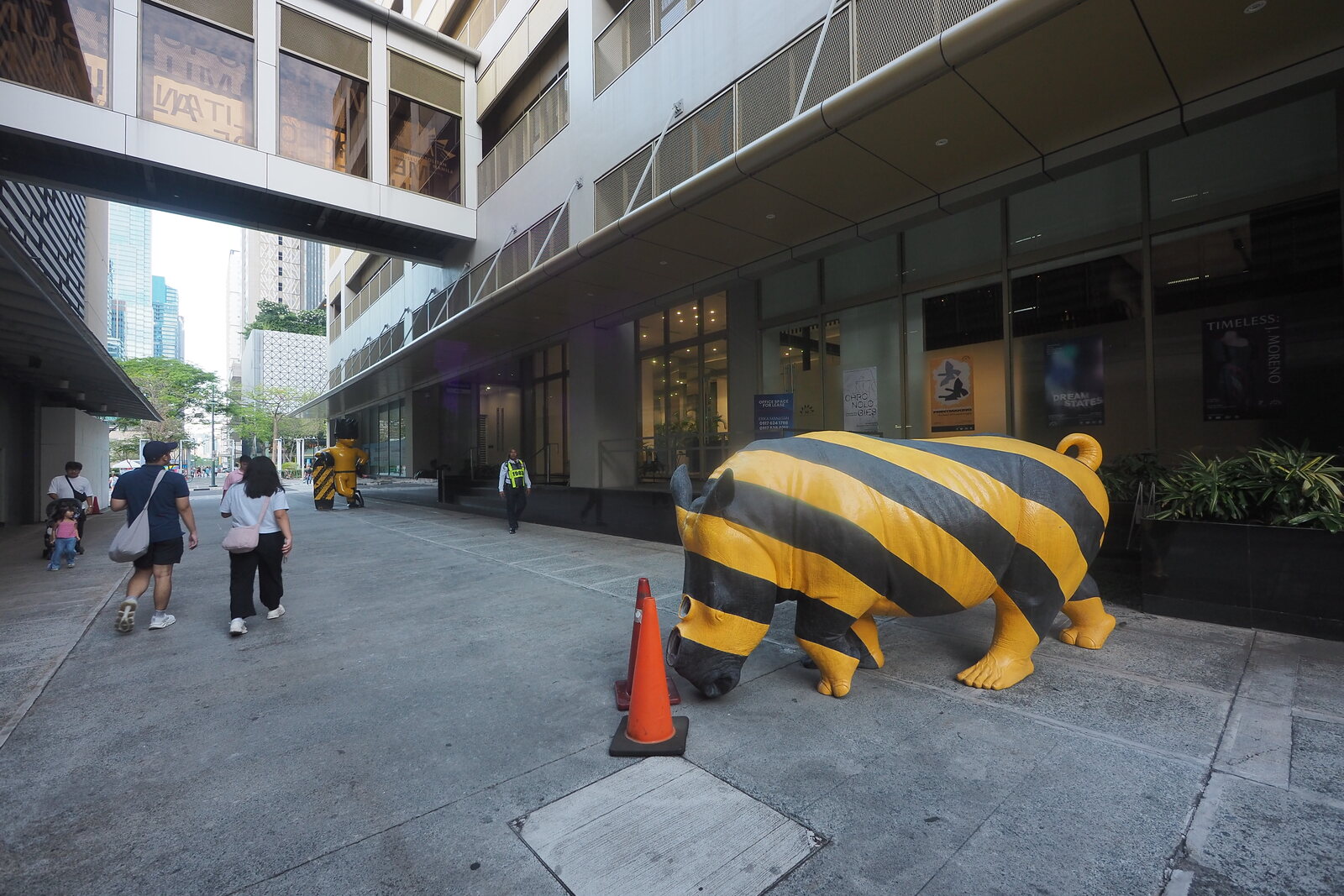
Photo: The Urban Roamer, BGC sidewalk outside the Metropolitan Museum of Manila
Choose BGC if you want the easiest walking, newer buildings and an area that rarely floods. Choose Makati if you want the most choice in food, markets and nightlife, plus a train line on its edge. Rockwell is the quiet, compact middle option, Ortigas and Kapitolyo put you near the east side's offices and food streets, and Alabang suits people whose work or family life is in the south.
Updated October 2026.
Below, each area is compared on walking, commute, flooding, noise, and what is nearby. We do not sell property and have no deal with any developer.
The short answer: BGC or Makati?
Most people choosing between BGC (Bonifacio Global City, in Taguig) and Makati work in one of the two. Live where you work if you can. The two business districts are close on a map, but the drive between them on weekday evenings can take longer than you expect, and that daily crossing is what people regret most.
If you work from home or your office could be anywhere, the choice comes down to style. BGC is planned, tidy and newer, with wide sidewalks and a grid of streets. Makati is older and more varied: business towers in the centre, leafy villages like Salcedo and Legazpi with weekend markets, and Poblacion for late nights.
On rent, we could not find a reliable 2026 source that gives peso ranges by district, so we will not guess. What the market data does say: Colliers expects condominium vacancy across Metro Manila to stay around 25% in 2026, after ending 2025 at 24.7%. Vacancy in Makati CBD (central business district), Rockwell Center and Ortigas Center has stayed below 15%, which means good units in those areas still go quickly. With that much empty stock across the metro, compare several buildings before you sign.
BGC
BGC is the easiest place in Metro Manila to live without a car. The streets were planned from scratch on the former Fort Bonifacio military base, so sidewalks are wide, crossings are marked, and many daily errands can be done on foot. It also has a strong record on flooding: a 12-metre-deep detention tank under Burgos Circle can hold up to 22,000 cubic metres of rainwater and release it slowly after a storm, according to a 2024 GMA News report.
- Walkability: the best in the city. The BGC Bus runs routes inside the district and out to EDSA Ayala.
- Commute: good if you work in BGC, slower to Makati or Ortigas at rush hour. The planned Metro Manila Subway includes a BGC station. Work on the tunnel section leading towards it began in February 2026, and the full line is targeted for around 2032, so do not choose an address based on it yet.
- Noise and nightlife: calmer than Poblacion. Bars cluster around Bonifacio High Street, Uptown and Burgos Circle; see our nightlife picks.
- Schools and hospitals: International School Manila and British School Manila are both in BGC, and St. Luke's Medical Center Global City is in the district.
- Things to do: The Mind Museum, the Metropolitan Museum of Manila and a long list of cafés in our BGC guide.
- Skip if: you want older streets, local character or a neighbourhood that feels lived-in rather than designed.
Makati: CBD, Salcedo, Legazpi and Poblacion
Makati CBD is the original business district. Covered walkways and footbridges connect much of the Ayala Avenue and Ayala Center area, so you can cross the centre on foot even in heavy rain. MRT-3 (Metro Rail Transit Line 3) runs along EDSA, the main ring road, on the district's edge, with stations at Ayala, Buendia and Guadalupe. Many of the city's best restaurants are here; start with Where Manila Eats Well Now.
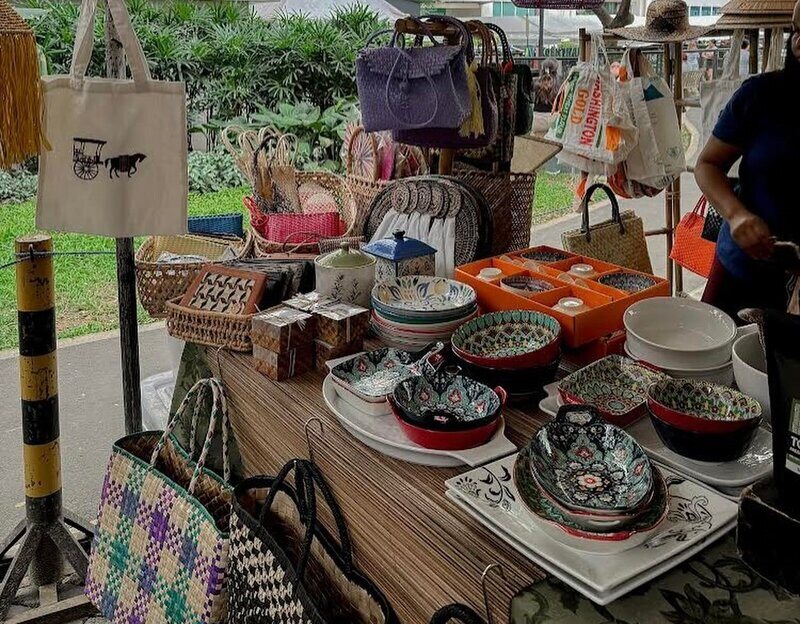
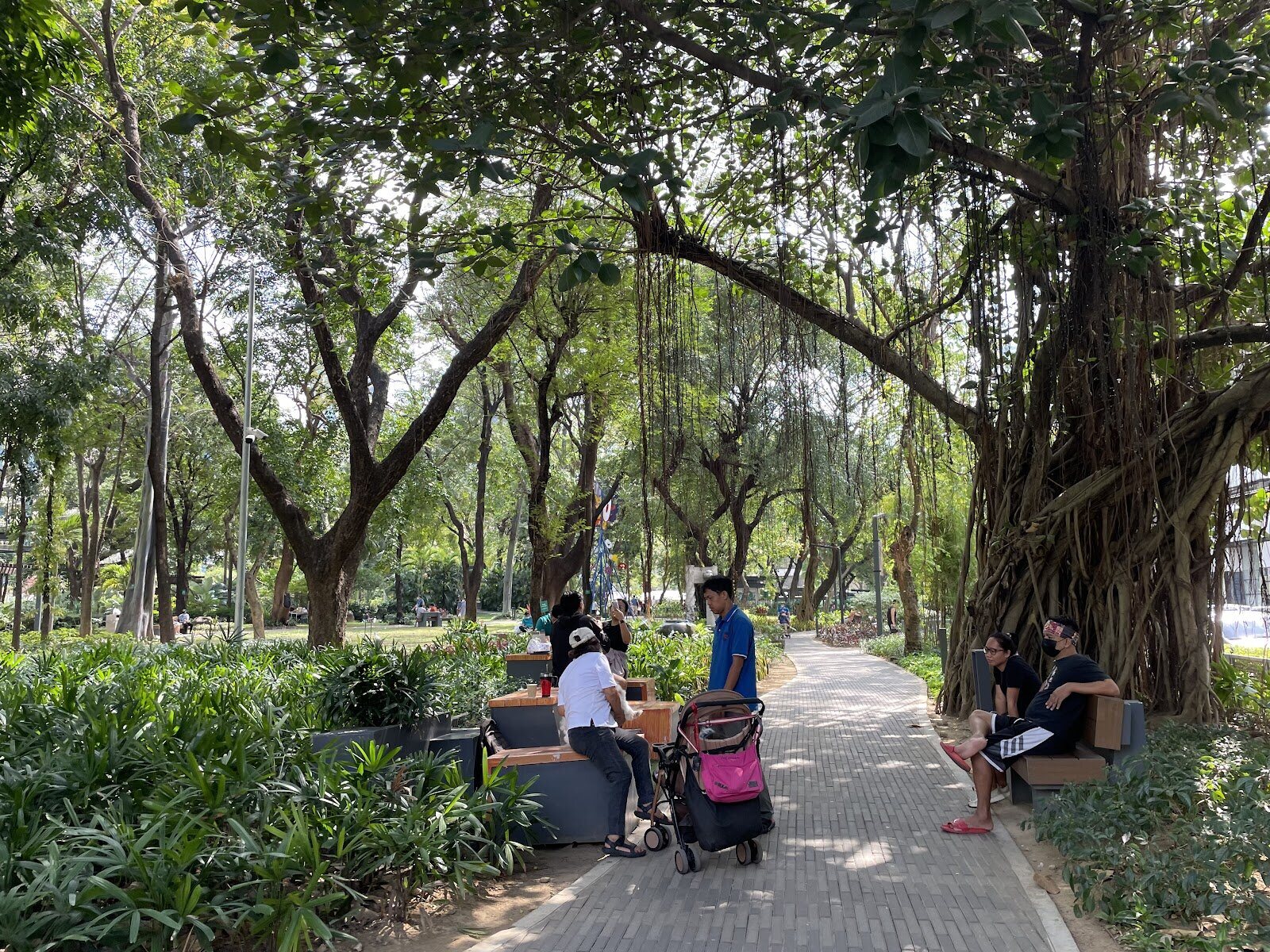
Salcedo Village and Legazpi Village are the quieter residential pockets inside the CBD. Both are tree-lined, close to the offices, and have weekend markets: Salcedo Saturday Market and the Legazpi Sunday Market. Washington SyCip Park in Legazpi is a small green space for a morning walk. Makati Medical Center is on Amorsolo Street in Legazpi Village.
Poblacion is Makati's old town centre, north of the CBD beyond Kalayaan Avenue and Bel-Air. It has the city's densest bar scene, from small listening bars to late cocktail rooms; our nightlife page has current picks. Good to know: it gets loud late on weekends, so look at the street, not only the unit, and visit at night before you commit.
- Flooding: the Ayala CBD core does not appear on published lists of flood-prone streets, but several Makati roads do, including EDSA Pasong Tamo, the Magallanes tunnel, Buendia and the South Superhighway. Check the exact address (see below).
- Skip if: you need quiet nights and want to be near Poblacion, or you dislike older buildings. Much of Makati's stock is older than BGC's.
More in our guides to Makati, Salcedo, Legazpi and Poblacion.
Rockwell
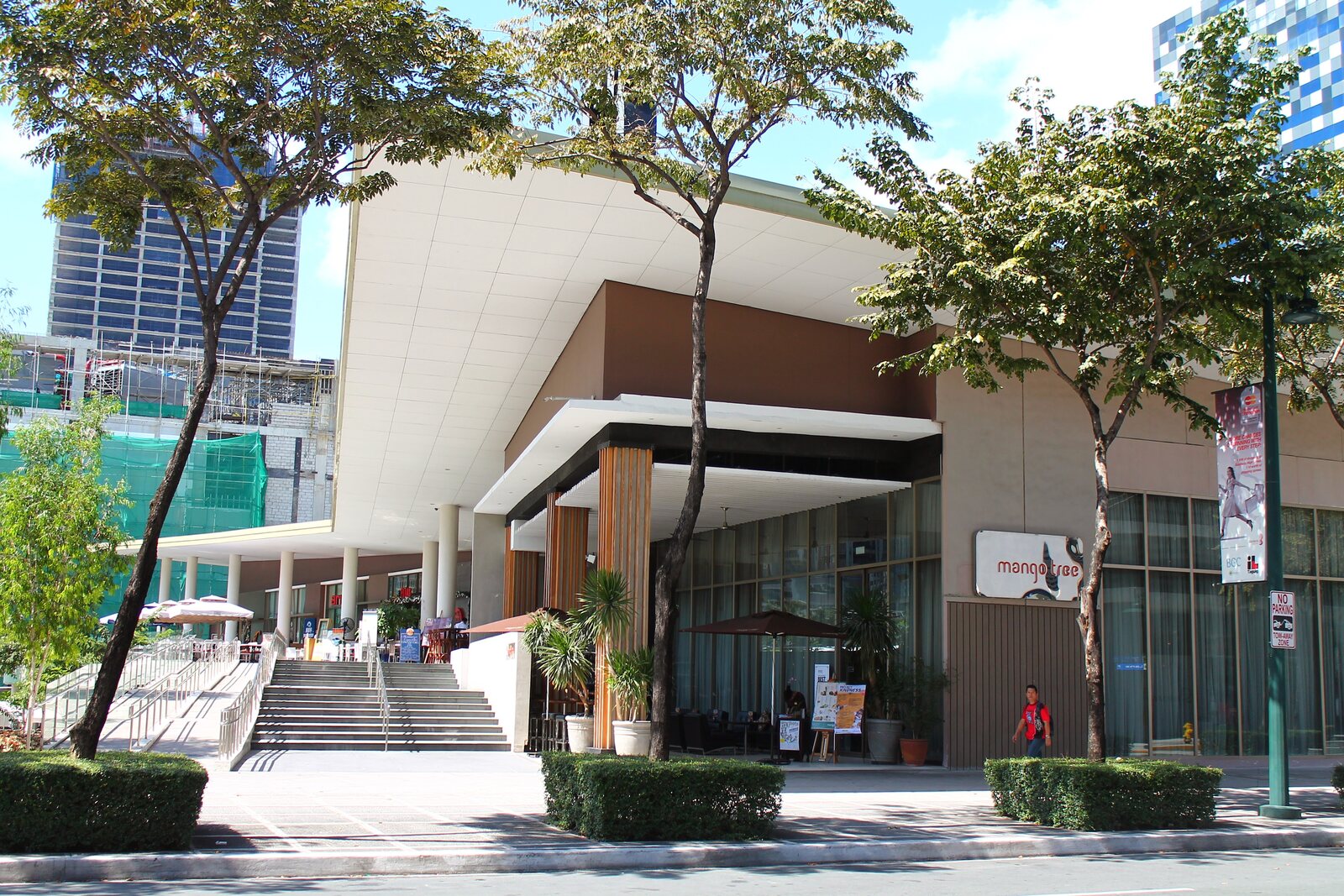
Rockwell Center is a small, managed estate in Makati, on J.P. Rizal Avenue facing the Pasig River. The mall, restaurants, offices and towers are all close together. It is quiet and easy to walk inside, but small, so most trips out need a car.
- Commute: reasonable to Makati CBD and BGC outside rush hour. Guadalupe MRT station is the nearest train.
- Noise: low. Rockwell has no strong bar scene; Poblacion is a short ride away when you want one.
- Eating: the mall and the towers around it hold a compact cluster of restaurants. See our Rockwell guide.
- Skip if: you want variety on your doorstep. After a few months the estate can feel small.
Ortigas and Kapitolyo
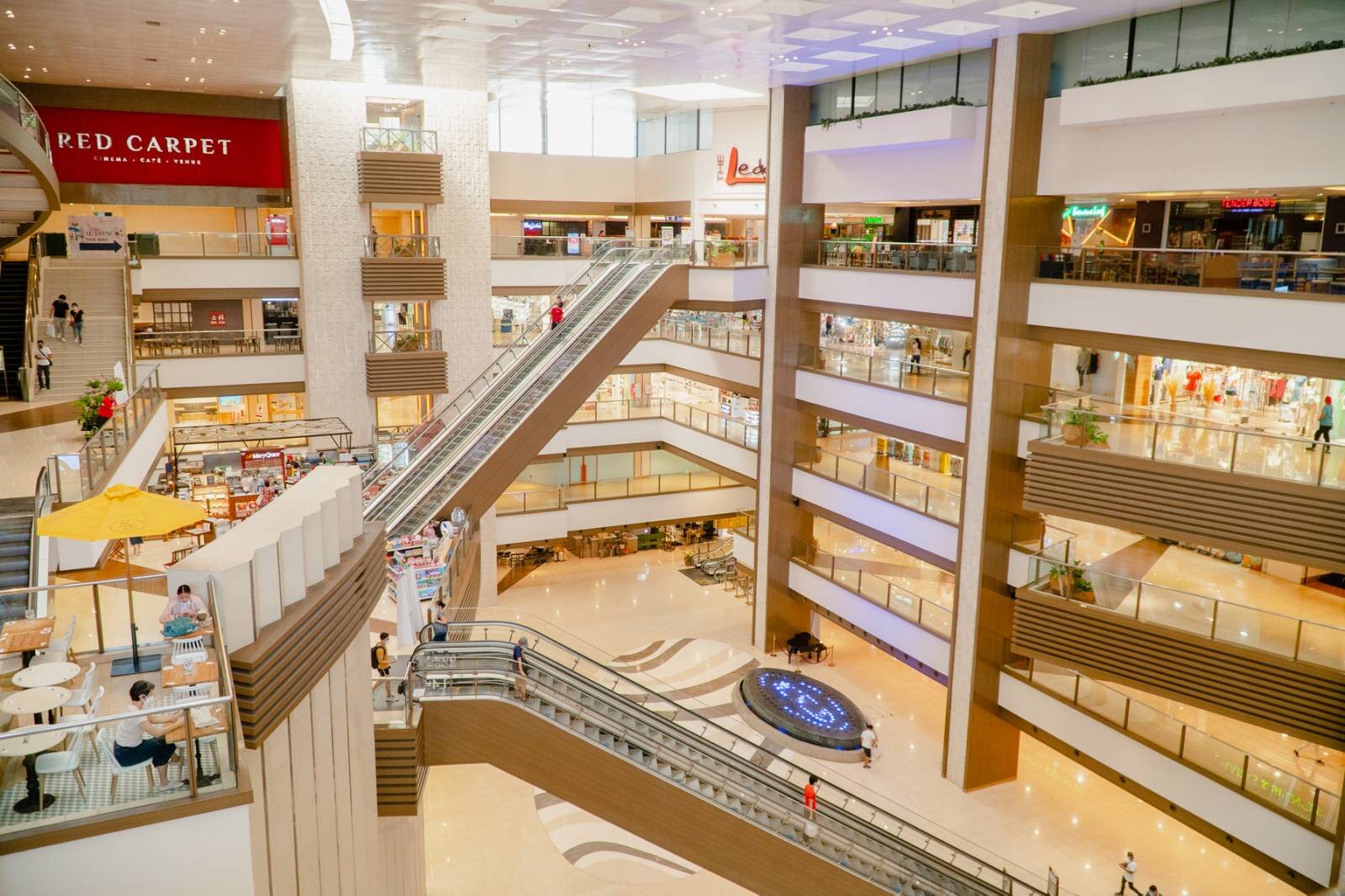
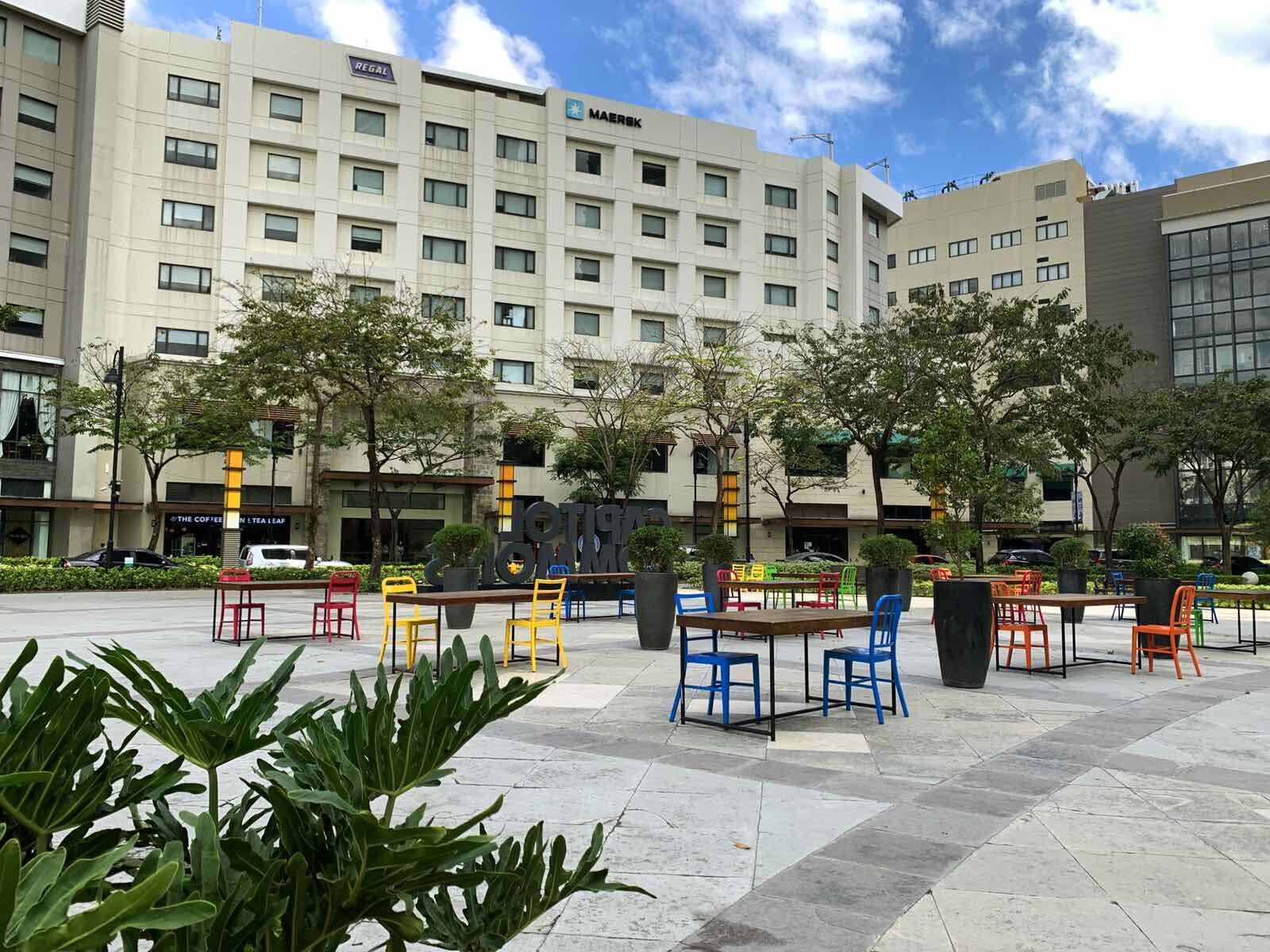
Ortigas Center is the third big business district, shared by Pasig, Mandaluyong and Quezon City. It is denser and busier than BGC, and it has MRT-3 stations at Ortigas and Shaw Boulevard. Shangri-La Plaza and the open plaza and Estancia Mall at Capitol Commons are the everyday anchors, and The Medical City is on Ortigas Avenue. Walking between towers is possible, but crossing the big avenues on foot is not pleasant.
Kapitolyo, next to Ortigas Center in Pasig, is a residential barangay (village district) of low-rise houses and small apartment buildings, known for its many small restaurants. It suits people who want a neighbourhood feel and are happy to drive or ride to work.
- Flooding: Pasig as a city does flood, mostly in its eastern barangays near the rivers, such as Manggahan, Rosario and Santolan. In late July 2026 a sudden downpour flooded parts of Barangay Pinagbuhatan, according to GMA News. Kapitolyo and Ortigas Center do not appear on published flood-prone lists, but several roads around them do, including Ortigas Avenue near La Salle Greenhills and EDSA near Megamall. Check the exact street.
- Skip if: you want to walk everywhere. Ortigas is built for cars.
Alabang
Alabang, in Muntinlupa at the southern end of Metro Manila, works best if your job, school or family is in the south or in Laguna. Filinvest City and Ayala Alabang have their own offices, malls and green spaces, and Asian Hospital and Medical Center is in Filinvest City. The trade-off is distance: a daily commute to Makati or BGC depends on the expressways and can be long at rush hour, so test the drive at the times you would actually travel. Several Muntinlupa roads, including East Service Road, appear on published flood-prone lists.
- Skip if: you go into Makati or BGC most days, or you want a bar or gallery within walking distance.
Our Alabang page has more.
Before you go
- Check flooding for the exact address. Use UP NOAH (the University of the Philippines Nationwide Operational Assessment of Hazards) at noah.up.edu.ph/know-your-hazards. Type in the street and it shows flood risk in yellow (low), orange (medium) or red (high). Then ask the building what happened to its basement and lifts in the last big storm.
- Test the commute twice. Do the trip on a weekday at 8am and again at 6pm, ideally in the rainy season (roughly June to October), before you sign anything.
- Visit at night. Noise matters most near Poblacion's bars and busy avenues. Check what is on the street and any construction next door.
- Ask about association dues, parking and internet. These add a lot to the real monthly cost and vary widely between buildings.
- Look at groceries close by. Every area above has supermarkets in its malls; for fresh produce, Makati's weekend markets are a real plus. Our markets page lists them.
- Settle in. Our things to do page and the cafés to work from guide help you learn a new area fast.
Questions people ask
Is BGC or Makati better to live in?
BGC is better for walking, newer buildings and low flood risk. Makati is better for variety, with more restaurants, weekend markets, nightlife in Poblacion and the MRT-3 train line along EDSA. The best answer for most people is whichever is closer to their office.
Does BGC flood?
BGC floods far less than most of Metro Manila because of its planned drainage and a large underground detention tank under Burgos Circle that can hold up to 22,000 cubic metres of water. Some roads at its edges, such as C-5 near McKinley and Bayani Road, appear on published flood-prone lists. Check any address on the UP NOAH hazard map.
Where should I live in Manila without a car?
BGC is the easiest. Makati CBD is a close second, with covered walkways and MRT-3 on its edge. Rockwell is walkable inside, but you will need rides to leave it.
Is Ortigas cheaper than BGC and Makati?
We found no reliable 2026 source with rent figures by district, so we cannot say. Colliers data does show that Ortigas Center, like Makati CBD and Rockwell Center, has kept vacancy below 15%, so good units there are not sitting empty. Compare the same unit size in each area before you decide.
BGC or Makati? Here is a fair comparison of where to live in Metro Manila, covering walking, commute, flooding, noise and what is nearby, plus Rockwell, Ortigas, Kapitolyo and Alabang. Full guide on whatsonmnl.com.
More stories
All storiesAll
Manila After Dark: 12 Evenings Worth Staying Out For
Rooftops, live jazz, stand-up, an evening walk through Intramuros and Thai food at 2am. Twelve good nights in Metro Manila, grouped by who you are with and how late you want to go.
Free Things to Do in Manila: Museums, Galleries, Parks and Turn-Up-and-Join Mornings
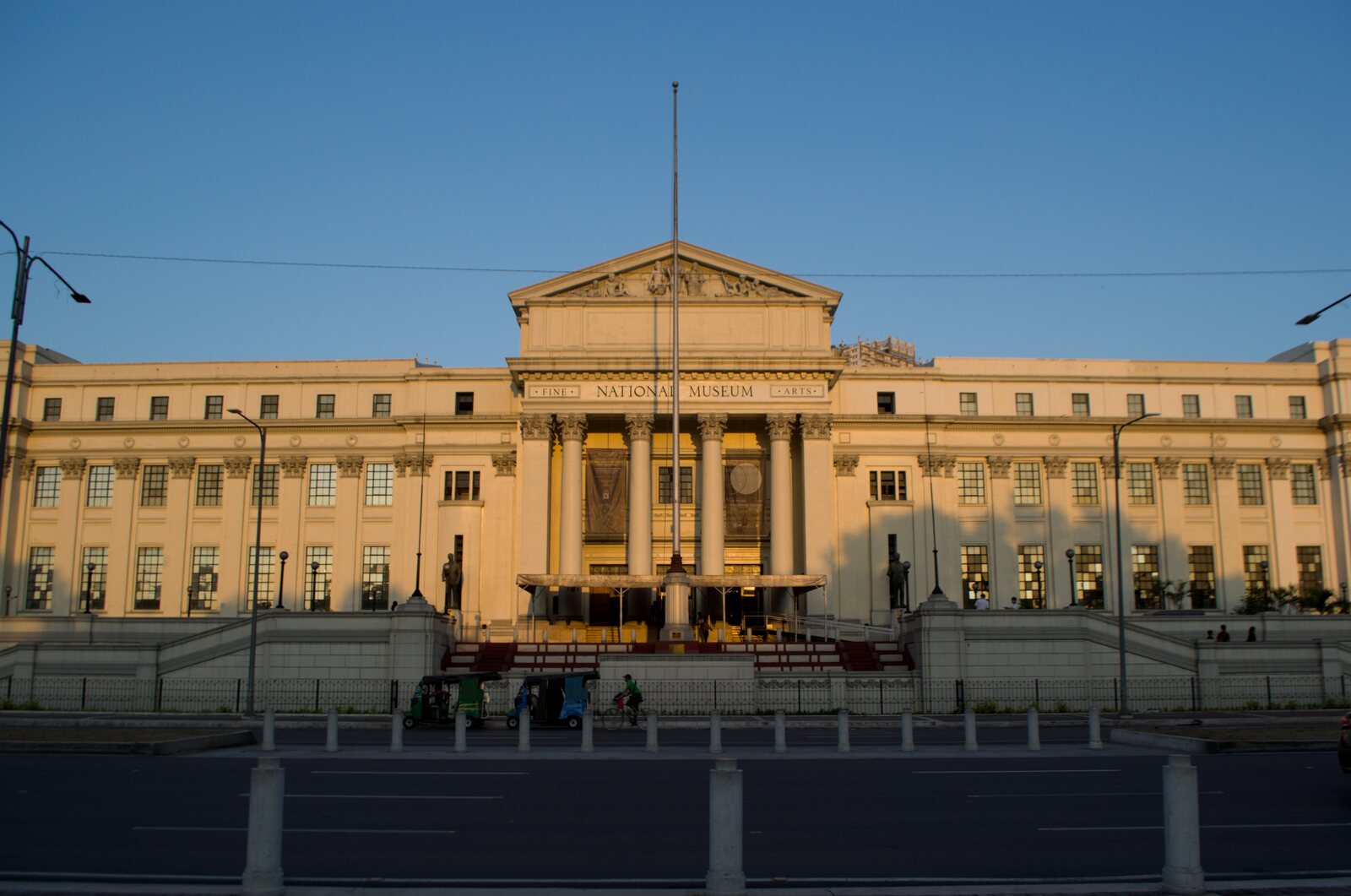
Every pick on this list has a current source showing it costs nothing to get in: the national museums, Makati's galleries, the Pasig riverside, Sunday car-free Ayala Avenue and the film festivals that screen for free each October.
Things to Do With Kids in Manila: A Family Guide by Age and Area
Science museums, shaded playgrounds, indoor play for rainy afternoons and a few places worth the drive across the city, sorted by area and by age.