Christmas in the Philippines, Explained: Parol, Simbang Gabi, Noche Buena and Where to See Them in Manila
What the parol, the belen, Simbang Gabi, Noche Buena, aguinaldo and Media Noche are, why Christmas starts in September, and where to see each one in Metro Manila this season.
Christmas in the Philippines is long, loud with carols, lit by star lanterns and built around two late-night meals and a run of dawn Masses. If you are visiting, or coming home with a partner who has never seen it, this is a plain guide to what each tradition is, with where to see it in Metro Manila this season.
The essentials
- When it starts: the "ber" months. Decorations and carols start as early as 1 September.
- The big nights: Christmas Eve, Thursday 24 December 2026, is a special non-working day. Christmas Day, Friday 25 December, is a regular holiday.
- Simbang Gabi: nine dawn Masses from 16 to 24 December, with evening Masses the night before each.
- Noche Buena: the family feast after the Christmas Eve Mass.
- Media Noche: the midnight meal on New Year's Eve.
- Where to see lanterns now: the Parolan bazaar at Araneta City, Cubao, open daily from 6AM to 10PM until 31 December 2026.
Why Christmas starts in September
Filipinos call September to December the "ber" months, and Christmas begins with the first of them. VeritasPH, the Catholic radio network's site, puts it this way: in the Philippines "the Christmas Season begins during the 'ber' months", with celebrations that "start as early as September 1, extending until the Feast of the Three Kings."
So do not be surprised by Christmas songs in a mall in early September. For the Church, the countdown proper starts in December: the CBCP says that for Filipinos, "the celebration of the Lord's coming in the flesh starts with Aguinaldo Masses, or Simbang Gabi on December 16."
Parol: the star lantern
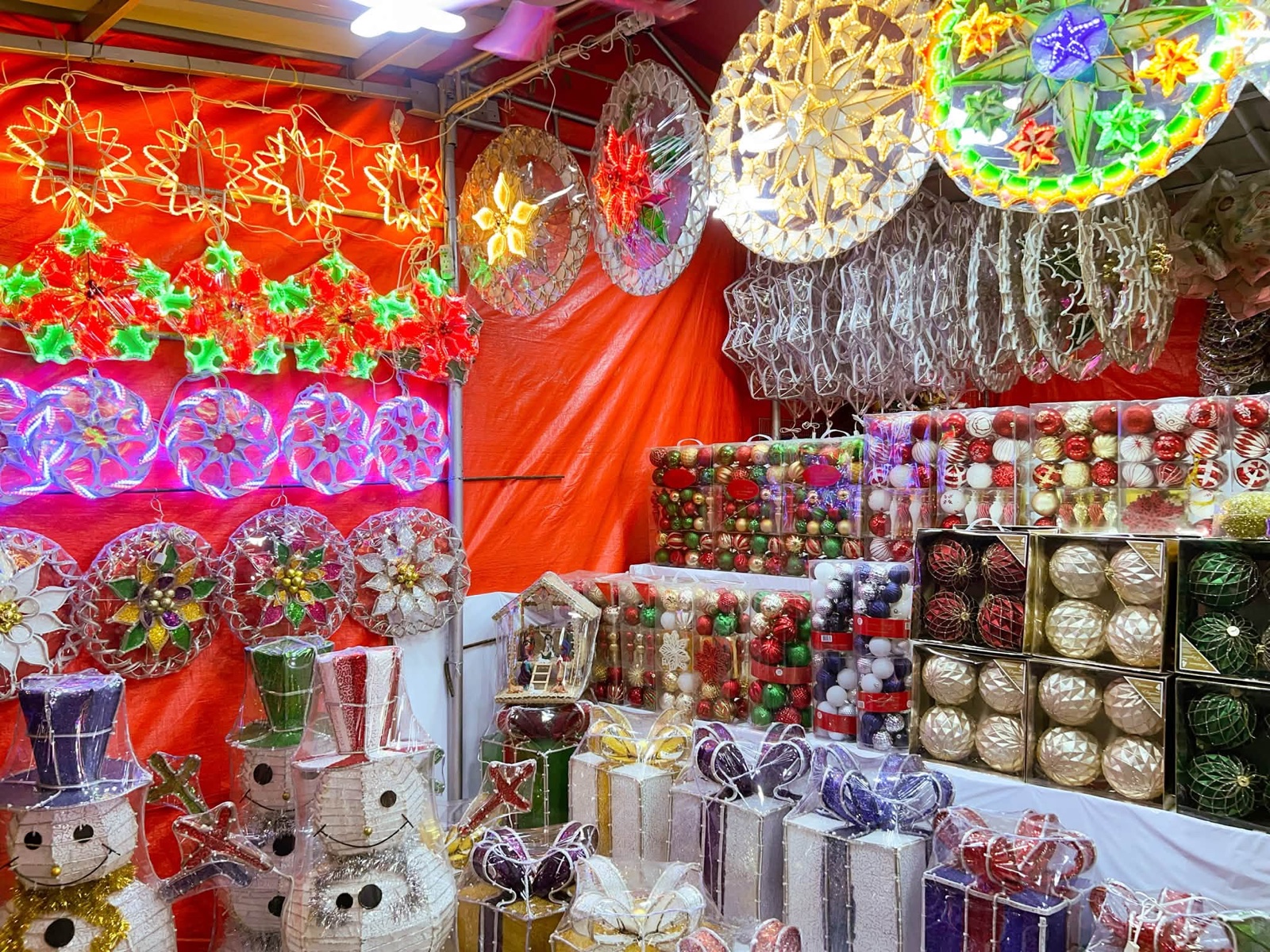
A parol is a star-shaped Christmas lantern, hung in windows, on gates and along streets. The word comes from the Spanish "farol", meaning lantern. Rappler, in a 2016 explainer, says early parols were made of bamboo and papel de japon, and were carried or hung outside homes "to light the streets leading to the church" during Simbang Gabi. Rappler adds that the star became the popular shape partly because of the Star of Bethlehem.
The best known are the giant lanterns of San Fernando, Pampanga, which GMA News calls the Christmas capital of the Philippines. Its Giant Lantern Festival is known as Ligligan Parul. Last year's competition was on 13 December 2025, as reported by SunStar.
Where to see it in Manila: the Parolan bazaar at the Expo Centro Parking of Farmers Garden, Araneta City, Cubao. Araneta City says it has "grand Pampanga-style lanterns" as well as "traditional bamboo and capiz lanterns", with a food market nearby selling puto bumbong and bibingka. It is open daily from 6AM to 10PM until 31 December 2026. The 2026 Giant Lantern Festival date in San Fernando was not announced when we checked on 4 November 2026.
Belen: the nativity scene
A belen is a nativity scene. BusinessWorld describes it as a manger surrounded by the Virgin Mary, St. Joseph, the shepherds and their flock, the Three Kings, and some animals and angels. Rappler notes that Belén is the Spanish name for Bethlehem. You will see them in churches, homes, schools and office buildings.
Where to see it in Manila: Araneta City lit a giant Belen beside Farmers Plaza on 14 November last year, as reported by the Manila Standard. This year's lighting is on its events calendar for 13 November; see our Christmas lights guide for that and every tree lighting.
Simbang Gabi, Misa de Aguinaldo and Misa de Gallo
Simbang Gabi is a run of nine Masses before Christmas. The Catholic Bishops' Conference of the Philippines (CBCP) calls them "solemn votive Masses of the Blessed Virgin Mary", traditionally held at dawn from 16 to 24 December. The CBCP says they were "nine consecutive early morning or dawn Masses" for people to attend before work, and that evening Masses spread during the martial law years because of curfews.
You will hear three names. Misa de Aguinaldo means "gift Mass". Misa de Gallo means "Mass of the rooster". The Varsitarian, the University of Santo Tomas paper, notes that in Spain Misa de Gallo means the midnight Mass on Christmas Eve, though many Filipinos use it for the dawn Masses. In everyday Manila, all three names mean the same nine Masses.
Where to see it in Manila: our Simbang Gabi 2026 guide lists last year's dawn and evening Mass times at 19 churches and chapels. Visitors are welcome: sit with everyone else, and stay in your place during Communion if you are not receiving.
Noche Buena: the Christmas Eve feast
Noche Buena, "good night" in Spanish, is the meal families share after the Christmas Eve Mass, often close to midnight. Rappler describes it as "the traditional midnight feast where queso de bola (a ball of edam cheese encased in red wax), hamon (Christmas ham) and tsokolate take their special places on the dinner table." After the meal, it says, families gather to open presents.
If you are invited: bring something for the table, such as a cake, fruit or a bottle. Our Christmas bazaars guide has the food fairs.
Aguinaldo: Christmas money
Aguinaldo is a Christmas gift, usually money for the children of the family. Rappler calls it "gift money" and says it is usually handed out during Noche Buena. The word is Spanish for a Christmas gift, the same word as in Misa de Aguinaldo.
Caroling
Carolers go from house to house singing Christmas songs. Rappler traces the songs to the Spanish villancico, and notes that in Manila "caroling peaks as Christmas day approaches, as roving carolers serenade house after house in the hope of getting aguinaldos." If you would rather hear carols on a stage, Jose Mari Chan's Christmas concert is at the Newport Performing Arts Theater on 11 and 12 December 2026.
Media Noche: New Year's Eve
Media Noche is the midnight meal on New Year's Eve. DZRH says many families set out 12 round fruits, "believed to represent the 12 months of the year and to bring good luck in each month ahead." Our New Year's Eve guide has the countdowns and the last trains.
When it ends
The season runs past New Year. Rappler notes that the three kings were traditionally added to the belen on Three Kings' Day, the Epiphany, usually the first Sunday of January. In Manila, the Feast of the Jesus Nazareno in Quiapo falls on Saturday 9 January 2027.
Questions people ask
What are the main Christmas traditions in the Philippines? The parol (star lantern), the belen (nativity scene), Simbang Gabi (nine Masses before Christmas), Noche Buena (the Christmas Eve feast), aguinaldo (Christmas money for children), caroling, and Media Noche on New Year's Eve.
What is Noche Buena? The family meal after the Christmas Eve Mass, often around midnight on 24 December, with ham, queso de bola and hot chocolate.
What is a parol? A star-shaped Christmas lantern. The name comes from the Spanish "farol", meaning lantern, and the star shape is partly a nod to the Star of Bethlehem. In Manila you can buy one at the Parolan bazaar in Araneta City until 31 December 2026.
Why does Christmas start in September in the Philippines? Filipinos count the "ber" months, September to December, as the Christmas season. VeritasPH says celebrations start as early as 1 September and run until the Feast of the Three Kings.
What is Simbang Gabi? Nine Masses before Christmas, traditionally at dawn from 16 to 24 December, with evening Masses the night before each. Our Simbang Gabi guide has last year's times in Manila.
Is Christmas Eve a holiday in the Philippines? Yes. Thursday 24 December 2026 is a special non-working day, and Friday 25 December is a regular holiday.
Definitions from the CBCP, Araneta City and VeritasPH, with Rappler, BusinessWorld, GMA News, SunStar, The Varsitarian, DZRH and the Manila Standard where named. Checked 4 November 2026. Nobody paid to be included.
More stories
All storiesAll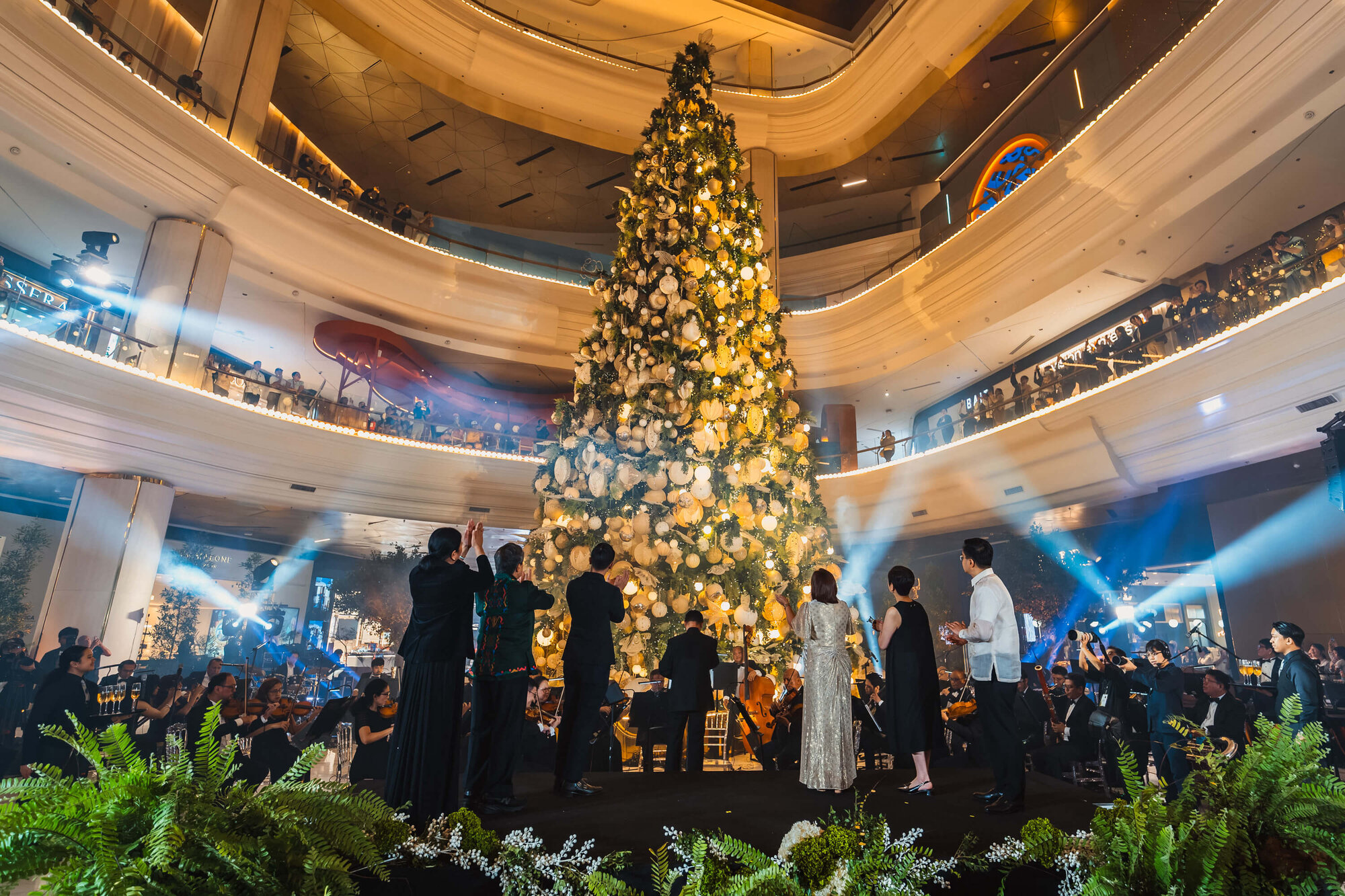
Mall Hours for Christmas and New Year 2026: SM, Ayala, Robinsons and Megaworld
No Metro Manila mall had posted its 2026 holiday hours when we checked on 4 November. Here is the table we will fill as SM, Ayala, Robinsons, Araneta and Megaworld post, with last year's hours for 24, 25 and 31 December and 1 January.
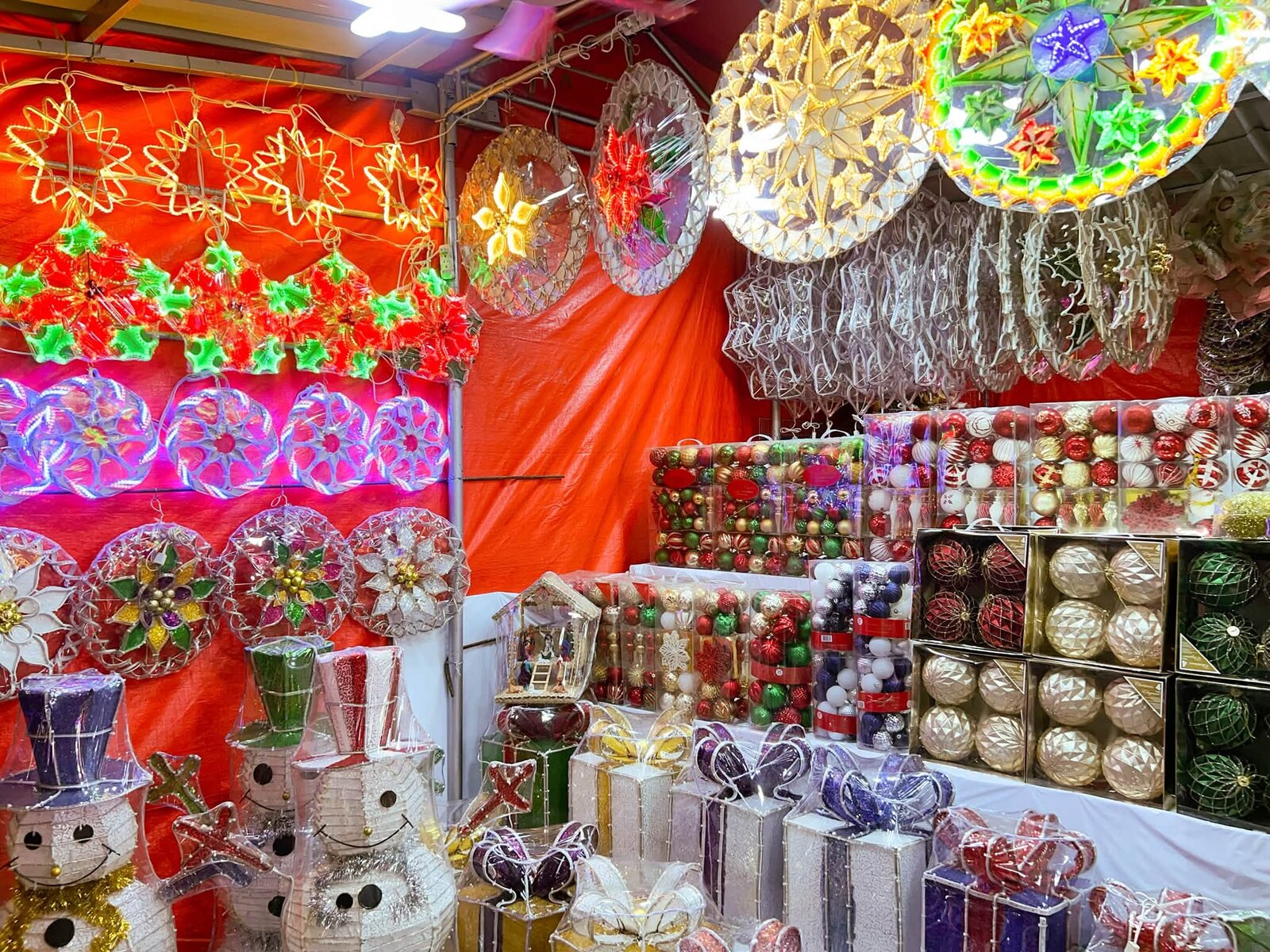
Christmas at Araneta City 2026: Giant Tree, Belen and the Parolan Lantern Bazaar
The Giant Christmas Tree lights on Thursday 12 November at 5PM at Coliseum Plaza and the Belen on 13 November, with mall trees to 20 November and the Parolan lantern bazaar open daily until 31 December. Dates, what each one is, and how to get to Cubao by MRT-3 and LRT-2.
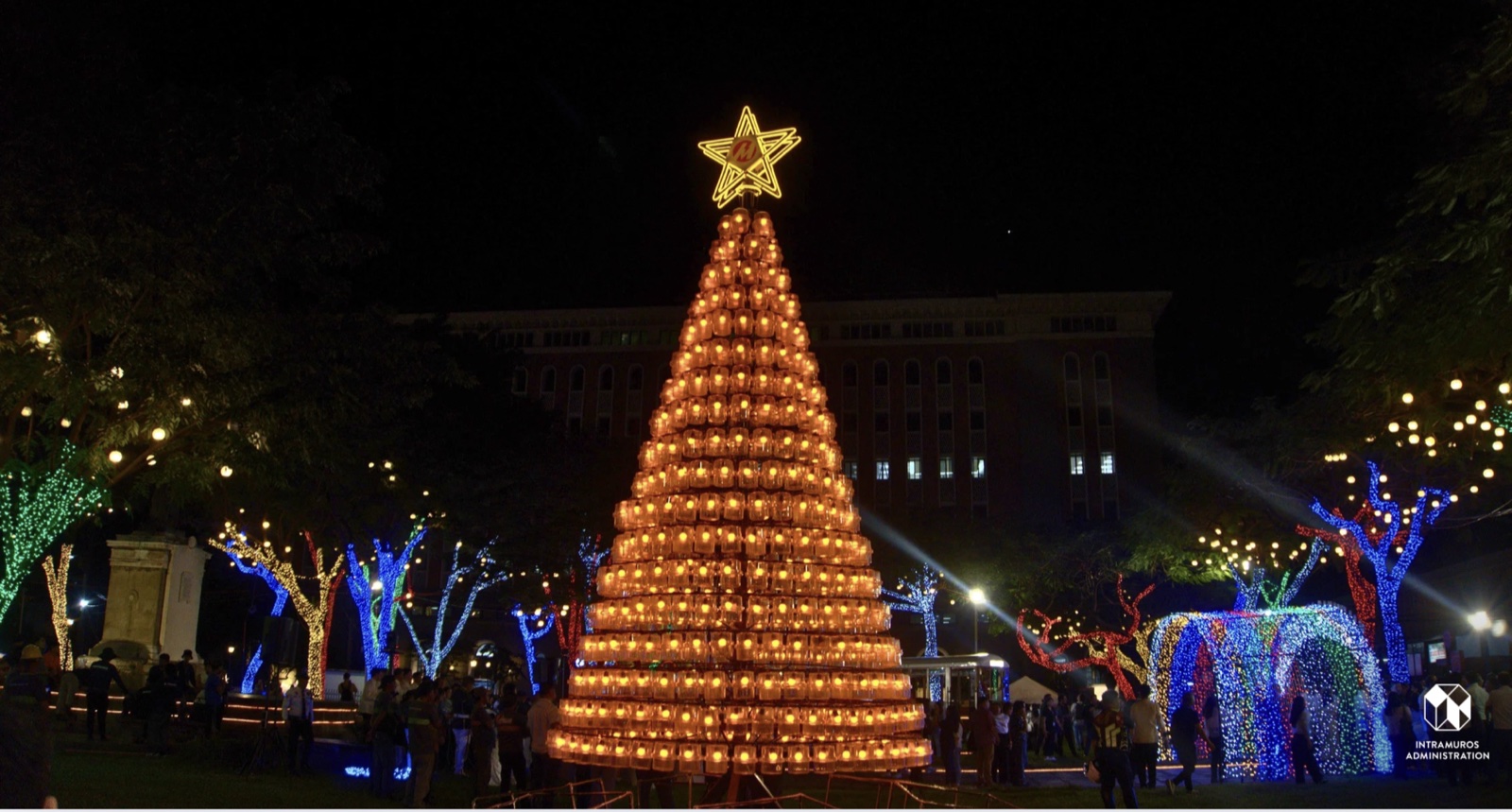
Christmas in Intramuros 2026: Lights, Simbang Gabi and Night Walks in the Walled City
The Intramuros Administration has not posted its Christmas 2026 programme yet. Here is what runs inside the walls now, last year's lights, lantern parade and Simbang Gabi times, and how to plan an evening in the Walled City.