Manila on a Budget: A Practical Guide for Backpackers and Solo Travellers
Where to stay, what trains, jeepneys and buses cost after the September 2026 fare rise, the free museums and weekend walks, cheap eats and safety basics for a week in Manila on little money.
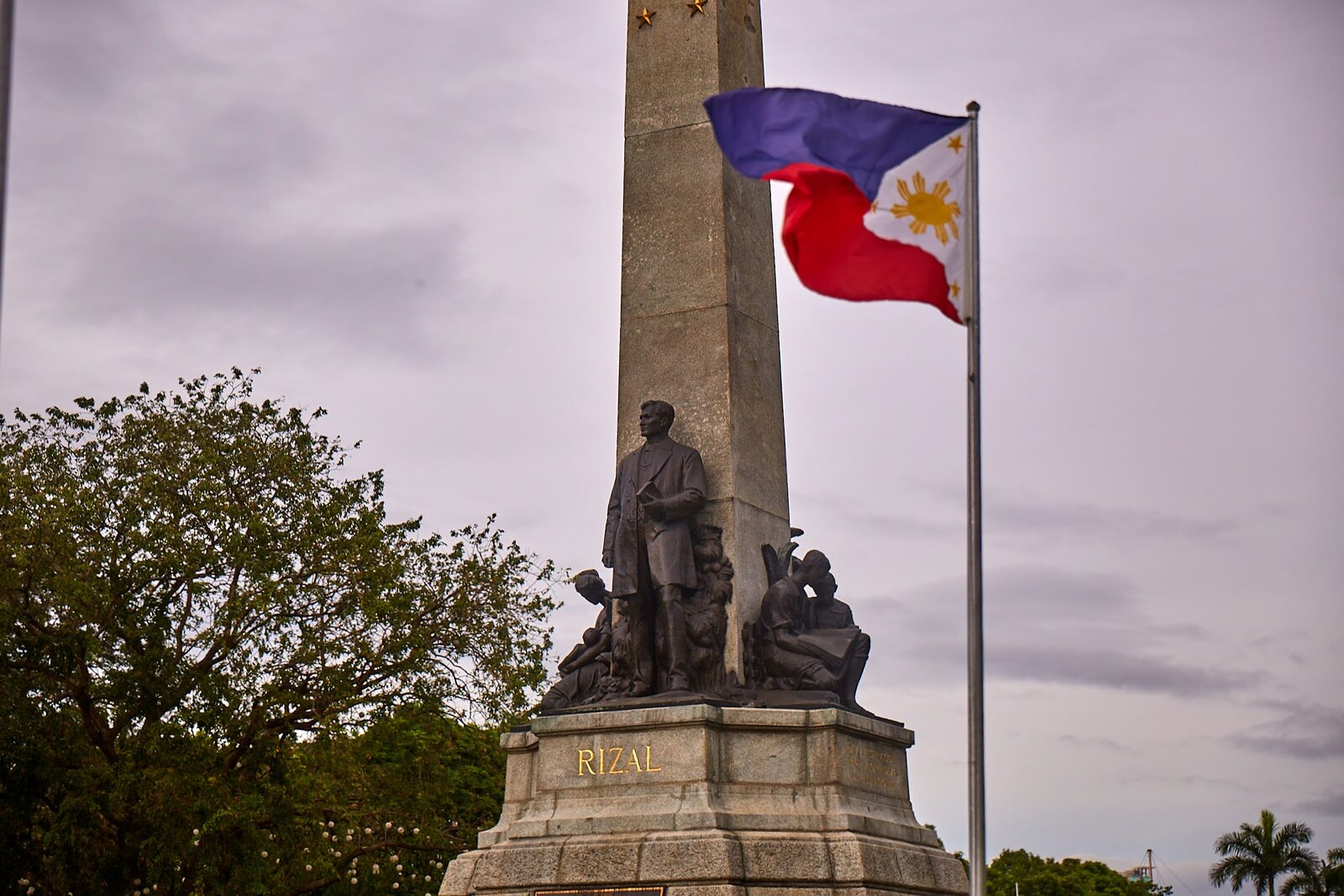
Manila is easy to do on a small budget if you base yourself near the LRT-1 line, eat where office workers eat, and plan your days around the free museums. The three National Museum buildings in Rizal Park are free and open every day, Intramuros has free guided walks on weekends, a train ride costs ₱16 to ₱52 on a beep card, and a traditional jeepney ride starts at ₱14. This guide covers where to stay, how to move, what to eat and how to stay safe, for backpackers and solo travellers.
Updated October 2026.
For the full list of free museums, parks, markets and film nights, read our free things to do in Manila. This page is the practical layer on top: how to make a week in the city cost less without missing what matters.
Where to stay: two areas that work
Malate and Ermita, in the City of Manila, put you close to Rizal Park, the National Museum, Intramuros and the bayfront, with LRT-1 stations nearby. If your plan is museums and old Manila, this is the base that saves the most on transport, because most of what you want is a walk or one or two stops away.
Poblacion, Makati is the other common choice. It is the old town centre of Makati, with small streets of bars and cheap late eats, and it is closer to the business districts if you have meetings or friends there. It is louder at night. Our guide to the best bars in Poblacion shows what the area is like after dark.
Tip: choose a place within walking distance of a train station. Traffic decides how much of the city you see in a day, and the train is both the cheapest and the most predictable way to cross it.
Getting around for less
LRT-1 (Light Rail Transit Line 1) runs north and south through the old city, between Fernando Poe Jr. and Dr. Santos stations, with stops at UN Avenue, Central Terminal and Carriedo for Rizal Park, Intramuros and Binondo. On a stored value beep card, fares run from ₱16 to ₱52 depending on distance; a ride from Gil Puyat to Central costs ₱23, and from UN Avenue to Carriedo ₱19. Get a beep card on your first ride so you are not queueing for single journey tickets each time.
Jeepneys are the cheapest way to cover short distances. Since 28 September 2026, the minimum fare for a traditional jeepney is ₱14 for the first four kilometres, plus ₱2 for each kilometre after; modern jeepneys start at ₱17, plus ₱2.40 per kilometre. Pay the driver with coins or small notes and say where you are going.
City buses are another option on major roads: the minimum fare is ₱15 on an ordinary bus and ₱18 on an air conditioned bus for the first five kilometres.
Walking is the best way to see Intramuros and Binondo, which sit across the Pasig River from each other. Plan one area per day and walk within it.
Free museums and parks
National Museum of Fine Arts, with the National Museum of Anthropology and the National Museum of Natural History beside it, is the best free day out in Manila. Admission is free, and the museums are open every day, 9am to 6pm. Walk-ins are welcome; only groups of 20 or more need to book ahead. Padre Burgos Avenue, Rizal Park, Ermita, Manila. Free. Daily, 9am to 6pm. Good to know: bring a valid ID; visitors register at the entrance.
Centro de Turismo Intramuros has a free Visitor Center and museum, a good first stop for a map and an introduction to the walled city before you decide which paid sites to visit. Intramuros, Manila. Free for the Visitor Center and Centro de Turismo Intramuros Museum. Tuesday to Sunday, 9am to 6pm; the visitor desk is open daily.
Pasig River Esplanade and Arroceros Forest Park are the two outdoor spaces we send people to at golden hour, a riverside walk and a pocket of urban forest at the end of it. Details are in our free things guide.
For more museums, including the cheaper paid ones, see our guide to museums in Manila.
Free and almost free events
Intramuros free walking tours. Every Saturday and Sunday, the Intramuros Administration runs free tours with DOT (Department of Tourism) accredited guides at Fort Santiago and Casa Manila, at 9am and 4pm. There are 25 slots per batch, walk-in only, first come first served; register at the Intramuros Visitors Center for Fort Santiago and at the stairway entrance of Casa Manila for the museum. The tour is free, but the regular site fee applies: ₱75 for adults and ₱50 for students, senior citizens and PWD (persons with disability) at Fort Santiago, Casa Manila and Baluarte de San Diego.
The monthly Intramuros calendar. The Intramuros Administration posts a calendar of events each month on its website, with dance performances, film nights and other public programmes inside the walls. Check it when you arrive.
Weekend events. Our free things guide tracks Car-Free Sundays on Ayala Avenue, free film festivals at the cultural institutes, and run clubs.
Cheap eats
The cheapest good food in Manila is where people eat every day: carinderias (small home style canteens with dishes laid out at the counter), food courts in malls and transport hubs, and the old family eateries of Binondo. A few habits keep costs down:
- Eat a big lunch. Many places run lunch sets for office workers, which are better value than dinner.
- Point and share. At a carinderia you choose from the dishes on display and pay per serving, so two people can share three dishes and rice.
- Go to Binondo once. Manila's Chinatown is the most rewarding food walk in the city for little money: fried siopao, dumplings, fresh lumpia, mami and hopia, all within a few blocks.
- Carry water. Refill where you can rather than buying bottles all day.
For eating after 10pm, see our guide to late-night food in Manila.
Safety basics
Manila is generally fine for solo travellers who use the same sense they would in any big city. A few things help:
- Keep your phone out of reach on the street and in crowds, especially on trains and in markets. Use a bag you can wear in front.
- Book rides in an app at night rather than flagging cars on the street, so the route and fare are recorded.
- Carry small notes. Paying exact fares on jeepneys and at small stalls avoids handing over large bills.
- Know the emergency number. 911 is the national emergency hotline, and calling it is free.
- Watch the weather. Heavy rain can flood streets; check the news on rainy days and keep an indoor plan.
- Keep a copy of your passport on your phone and leave the original in your room safe when you can.
A three day plan on a small budget
- Day one, old Manila. National Museum in the morning (free), lunch nearby, then Intramuros in the afternoon. On a weekend, join the 4pm free walking tour at Fort Santiago and finish at sunset on the Pasig River Esplanade.
- Day two, Binondo. Take LRT-1 to Carriedo, eat your way along Ongpin Street, and walk Escolta Street for the old commercial buildings.
- Day three, your choice. On a Sunday, head to Makati for Car-Free Sundays on Ayala Avenue (see our free things guide). Otherwise, spend the day in another free museum or gallery.
Questions people ask
Is Manila expensive for backpackers?
It does not have to be. The National Museum is free, Intramuros is free to walk into, a train ride costs ₱16 to ₱52 on a beep card, and a traditional jeepney starts at ₱14. Food in carinderias and Binondo eateries is priced for everyday meals.
Are the National Museums in Manila free?
Yes. The National Museum of Fine Arts, the National Museum of Anthropology and the National Museum of Natural History are free for all visitors and open every day from 9am to 6pm.
How much is the LRT-1 fare?
On a stored value beep card, from ₱16 to ₱52 depending on distance, per the operator's fare matrix. Gil Puyat to Central is ₱23.
How much is a jeepney ride in Manila?
Since 28 September 2026, the minimum fare is ₱14 for a traditional jeepney and ₱17 for a modern jeepney, each covering the first four kilometres.
What is the emergency number in the Philippines?
- It is the national emergency hotline and the call is free.
Where should backpackers stay in Manila?
Malate and Ermita for museums and old Manila, close to LRT-1; or Poblacion in Makati for nightlife and cheap late food.
More stories
All storiesAll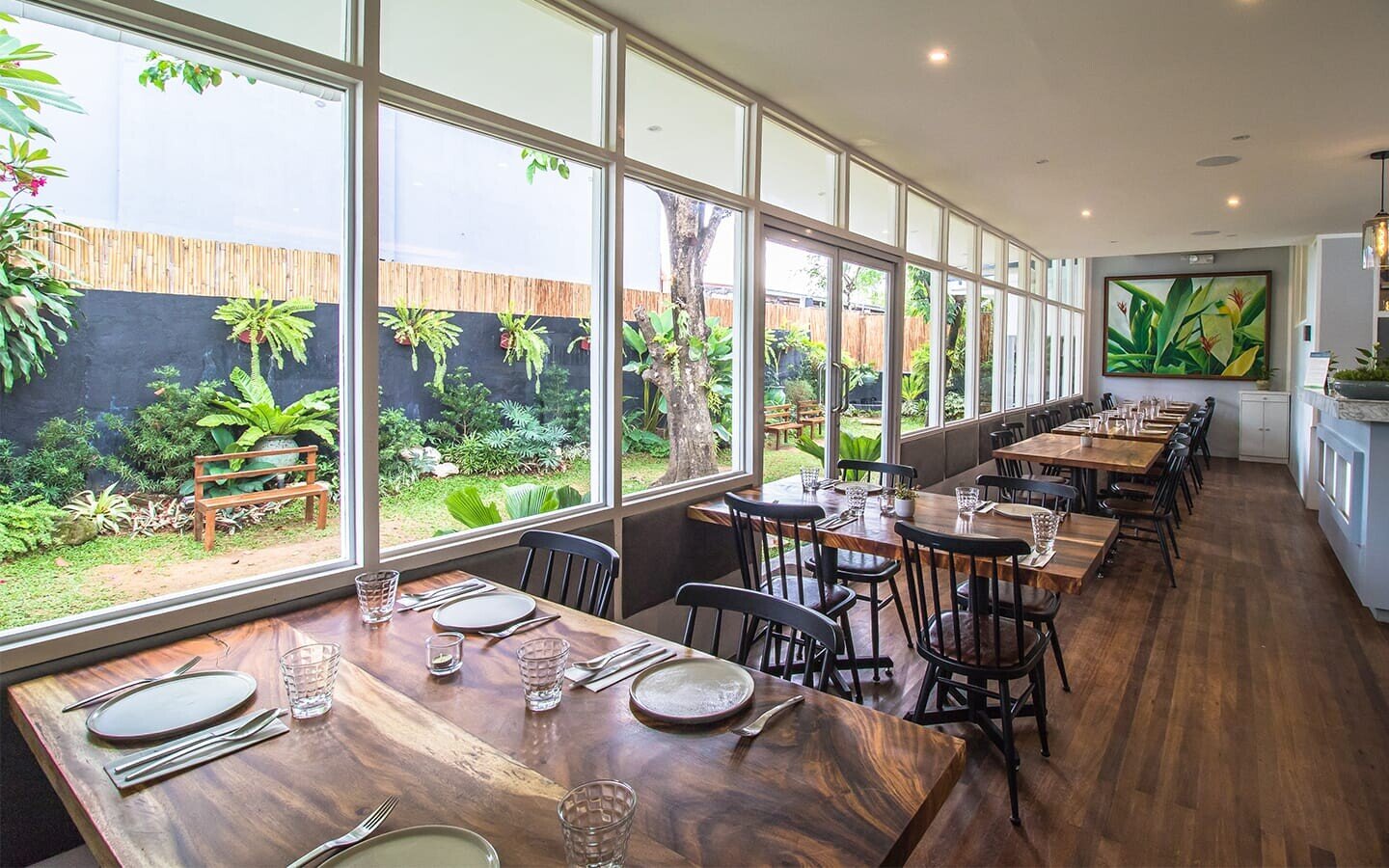
Maginhawa Street, Quezon City: where to eat and drink
An afternoon into evening on Quezon City's eat street: Rodic's tapsilog, a garden lunch at Talisay, Sagada coffee, Friuli pizza, ramen worth the queue and a bar behind a bookshelf, each checked in October 2026.
The best ramen in Manila, by area
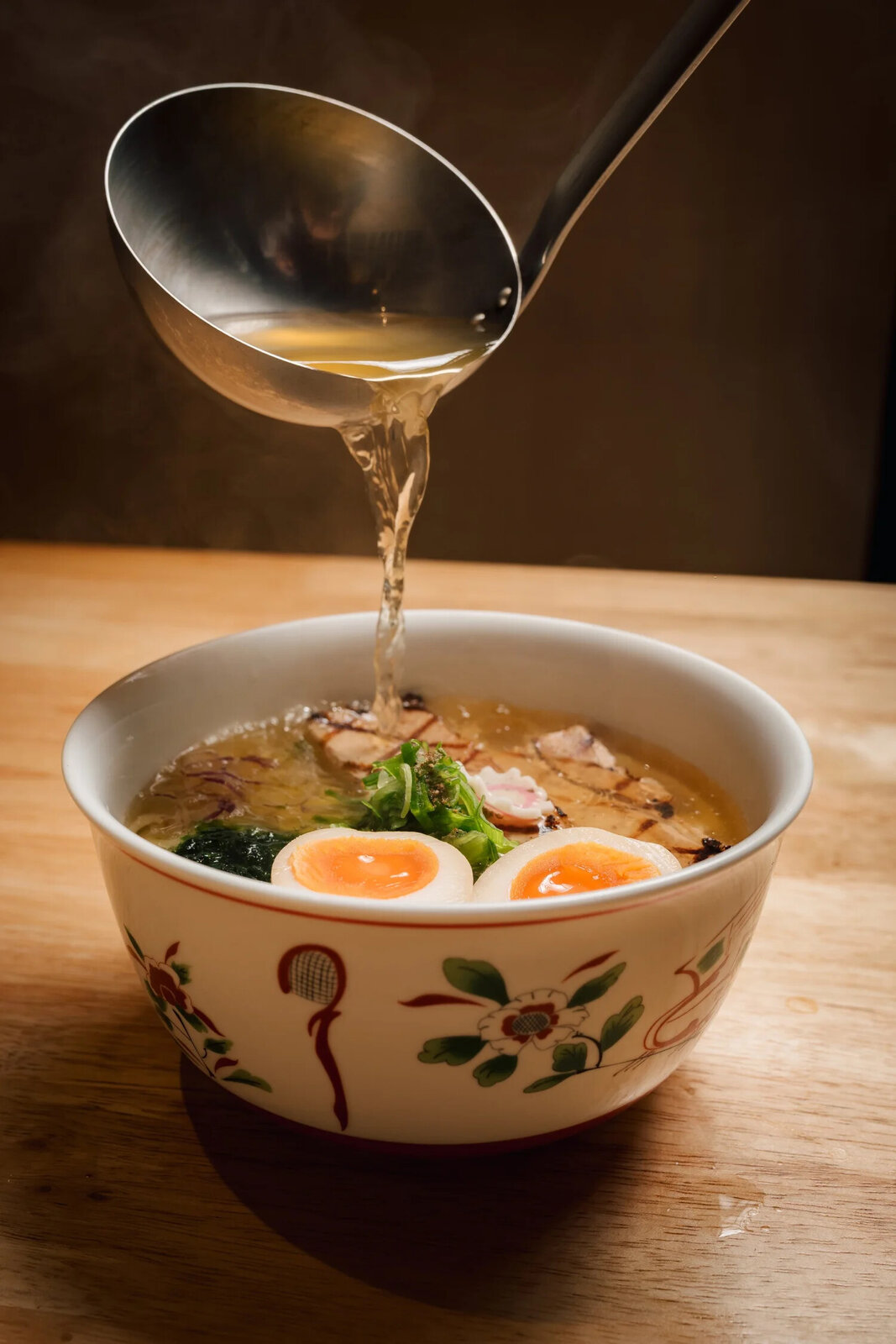
From the MICHELIN listed Ramen Ron to a ten seat crab ramen counter on Maginhawa, here is where to get a serious bowl near you, with prices as printed and what to order.
Where to eat Filipino food in Manila, from carinderia to tasting menu
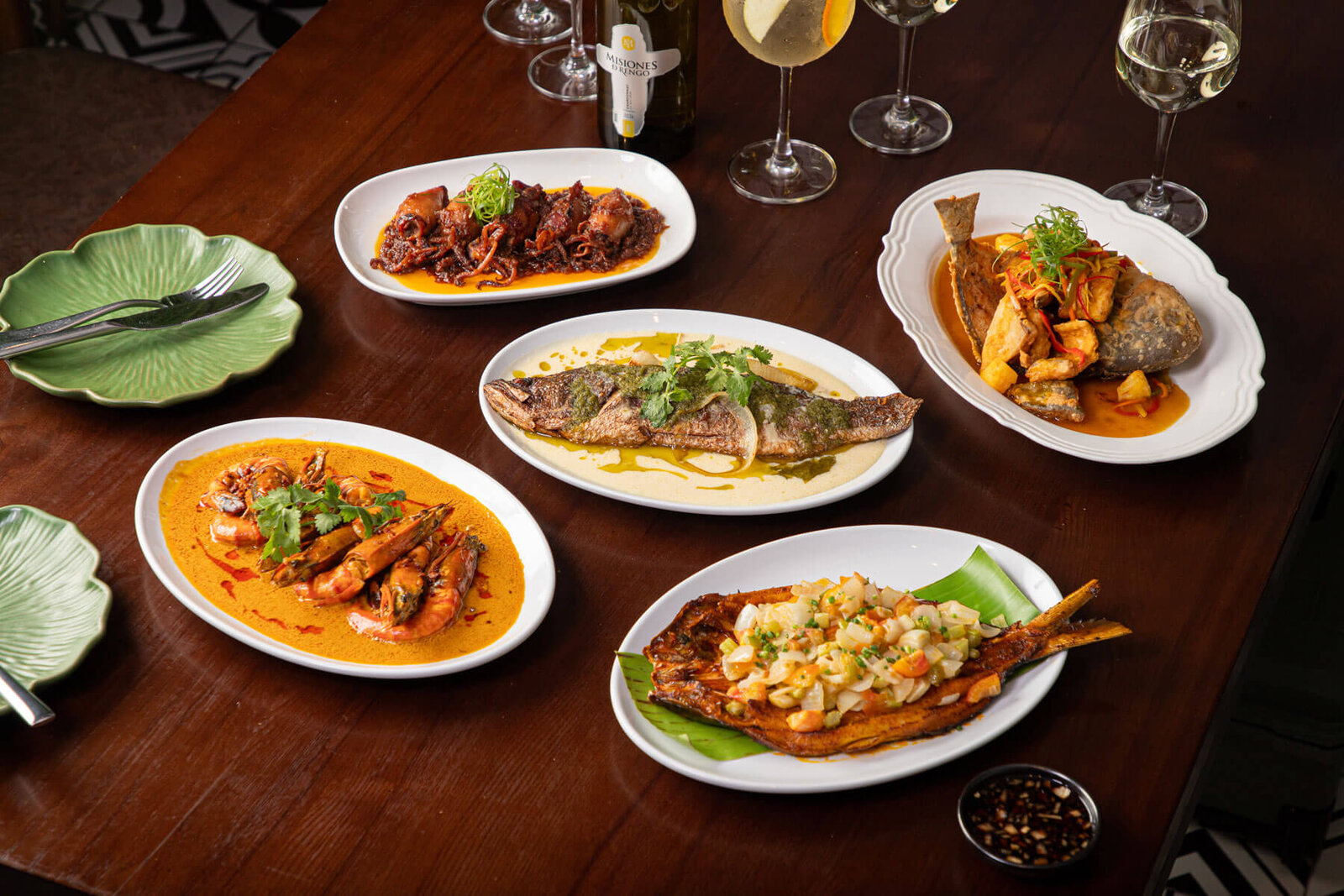
Twelve places to eat Filipino food in Metro Manila, from a Quezon City turo-turo and a Makati noodle stall to family style regional cooking and two MICHELIN starred tasting menus, with hours, prices and booking checked in October 2026.